My husband told me he was divorcing me for my pregnant younger sister — then tried to take the animal shelter I built and turn it into their family home. He thought I would quietly sign the papers, but he was wrong! By morning, I had a plan to teach them a lesson they’d never forget.
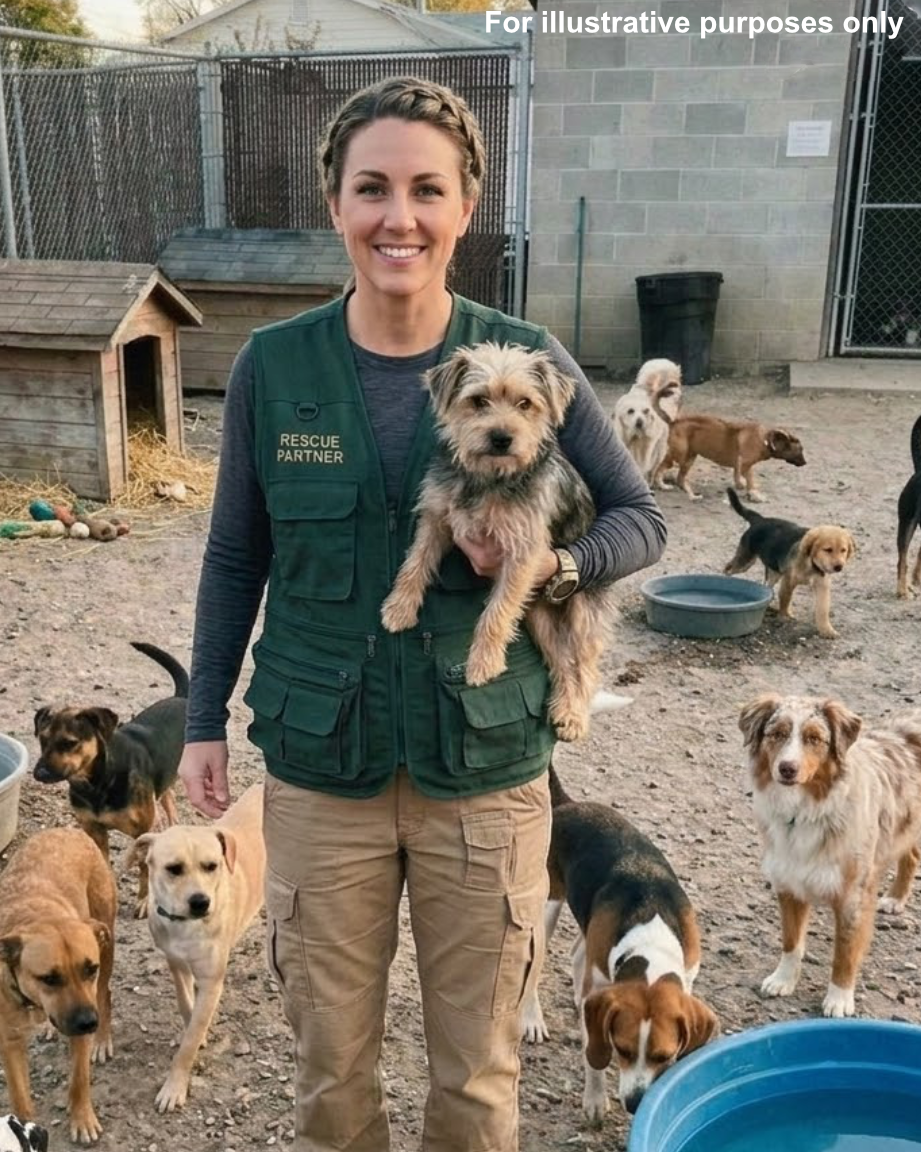
I always imagined my life would be loud. I pictured hallways filled with toys and little sticky hands pulling at my clothes while a tiny voice called me “Mom.” That was the dream I held onto for years when Nash and I first got married.
Then a doctor told us, “I’m sorry, but it’s very unlikely you’ll be able to conceive naturally.” I felt the air leave the room. I reached for Nash’s hand, but he didn’t move. On the drive home, he just turned up the radio while I cried.
The shelter started with a single dog. I found her near the highway—a skinny brown mutt covered in mange. Without thinking, I wrapped her in my sweater and lifted her into my car. When I got home, Nash looked at the bundle in my arms like I was holding a bucket of trash.
“What is that?”
“She’s sick, and I’m going to help her.”
“We aren’t turning this house into a kennel, Remi,” he snapped, scowling at the dog.
“She’ll stay in the garage,” I insisted. “Just until she’s better.”
He rubbed his face in frustration. “Remi, this isn’t healthy. You can’t replace a child with strays. It’s a bit pathetic, don’t you think?”
“I’m not replacing anything,” I said. But looking at that little dog, I wondered if he was right.
Maybe I was trying to fill a hole with things that barked. Does it even matter? One dog became three. Three became ten. Soon, the garage wasn’t enough, and neither was my spirit.
I used a small inheritance from my grandmother to buy a run-down piece of land on the edge of town. It had an old rusted building and a huge yard. Nash signed the papers without even looking at them. “As long as it doesn’t cost me anything.”
“It won’t,” I promised. “It’s my money.”
“Good. Have fun playing vet. Just don’t expect me to care.”
I did more than play. I painted every wall myself. I learned how to install heavy-duty kennels and give shots. Slowly, volunteers started showing up—mostly retired women and high school kids needing community service hours. A local vet even started coming by twice a week to help with surgeries.
The first time we saved a puppy from a deadly virus, I sat on the floor of the kennel and cried. It was a different kind of relief. Nash never visited the place. He stayed in our perfectly clean, quiet house.
One night, while I was washing the smell of wet dog off my hands, he stood behind me. “You’d be better off having a baby than wasting time on those mutts,” he said.
“I can’t have a baby, Nash. We’ve been through this.”
“There are treatments. Expensive ones, but they exist. Or maybe you just don’t want to try hard enough. You’d rather play mother to animals because they don’t talk back.” That was the first time I felt the foundation of my marriage crack.
Years went by like that. I poured my soul into the shelter and eventually quit my job to work there full-time. I was proud of what I was doing, even though it felt like nobody I cared about supported me.
“You shouldn’t quit your job for charity work,” Mom said when I told her.
“Typical Remi,” my sister Cleo said dismissively. “She’s always chasing causes to avoid her own problems.”
Nash just nodded. “You nailed it, Cleo.” I let their words slide. At least I knew I was making a difference.
Nash and I stopped talking about anything real. We were just two people sharing a roof. On my birthday, I expected the usual silence, but I found candles and a fancy dinner instead. I stood in the doorway, shocked. “You did all this?”
Nash mỉm cười—một cái nhìn lạ lùng, không hề ấm áp. “Sit down, Remi. Happy birthday.”
Hope flared up in my chest. I thought, Maybe he finally sees me. I wanted him to be proud of me so badly. We ate in silence. Halfway through, he pulled out a long white envelope from his jacket.
“I didn’t want to ruin dinner, but this can’t wait,” he said. I felt a cold chill. “What is it, Nash?”
He leaned back. “I want a divorce. I’m in love with Cleo, and she’s pregnant. With the child you could never give me.”
“Cleo? My younger sister?”
Nash nodded. “We’ve gotten close over the last year. It just happened. You and I don’t have that connection.”
I let out a sharp, bitter laugh. “This is a cruel joke, Nash.”
“I’m not joking.”
He slid a thick folder across the table. One section was marked with a bright yellow tab. “What’s this?”
“Divorce papers. That tab is for the shelter land. We bought it while married, so it’s a shared asset. We need to sell it or transfer the title.”
“Transfer it where?”
“To me. My new family needs a home, Remi. Cleo wants a fresh start, and that land is beautiful.”
I put my head in my hands, unable to process it. The little sister I had protected was having my husband’s baby, and they wanted my shelter for their dream home?
He tapped the signature line. “Sign now to avoid a fight in court. It’s the practical thing to do.”
“I won’t sign it.”
“I doubt that,” Nash said with a thin smile. “Don’t cause problems. This will be faster if you just cooperate.”
“And if I don’t?”
His eyes turned cold. “Courts don’t care about sentimental projects, Remi. They care about property rights. You’ll lose anyway. Think about that.”
I couldn’t stay in that house. I drove straight to the shelter. It was quiet. I walked past the rows of kennels, touching wet noses. “You’re not going anywhere,” I whispered to the oldest dog.
I lay on the small bed in my office, staring at the ceiling. My world was falling apart, and I was in danger of losing everything. But Nash forgot one thing: never underestimate an angry woman.
By morning, I had a plan. I started making calls before sunrise. It would take a huge effort, but if it worked, I wouldn’t just beat them—I’d teach them a lesson they’d never forget.
Finally, I called Nash. “I want to talk. Come to the shelter with Cleo. We can discuss the transfer.”
Nash sounded smug. “I knew you’d be reasonable. We’ll be there at 11. Make sure the dogs are gone—Cleo is allergic.”
By eleven o’clock, everything was ready. I stood in the yard as Nash pulled up. His face immediately turned to confusion. “WHAT DID YOU DO?” he yelled as he jumped out of the car.
Then the final part of the show began. There was a sudden, loud BANG. A massive excavator slammed into the dirt at the far end of the lot. A large white banner unfurled from the roof of the main building:
REMI’S SANCTUARY: PROTECTED COMMUNITY LAND. NEW VET WING GROUNDBREAKING TODAY.
Nash spun around, his face turning pale. Standing by the fence were at least 30 people—volunteers, neighbors, and a local reporter with a microphone.
“What is this?” Cleo whispered.
“You said the dogs would be gone!” Nash yelled.
“They are,” I said, crossing my arms. “They’re in foster homes for now. I donated the land to a non-profit trust last night, Nash. It’s a charitable entity now, not a shared asset. You can’t take a public trust to build a private house.”
Cleo stared at Nash. “You said this land was as good as ours.”
“It IS mine!” he snapped, his face turning purple with rage.
The reporter moved closer. “Remi, what does today mean for the sanctuary?”
I looked Nash in the eye. “It means this land will never be a private home. It belongs to the community now, and to every animal with nowhere else to go.” The excavator roared as it started digging the first trench.
“You think this is funny?” Nash hissed, getting close to me. “You threw away hundreds of thousands of dollars just to spite me?”
“No. For years, you told me I wasn’t enough because I couldn’t have a child. You treated my work like a hobby, but this is my family. And I just made sure they’re safe forever.” Nash looked at the cameras and the neighbors, realizing he had lost. “You’ll regret this, Remi. I’ll see you in court.”
“You made the circus, Nash. I just sold the tickets.”
Then I turned to my sister. She looked like she wanted to disappear.
“You didn’t just take my husband, Cleo. You traded your sister for a man who lies when it’s convenient. He’s already proven he’ll replace a woman the second she’s no longer ‘useful.’ I hope he was worth the price.”
Cleo stayed silent. Nash stood there clutching useless papers.
“It’s over,” I said. “You lost the land, the house, and the only person who actually stood by you for 15 years.”
I didn’t wait to see them leave. I turned my back on them and walked toward the construction site. My life was finally going to be loud—not with a nursery, but with the sound of building something that actually mattered.