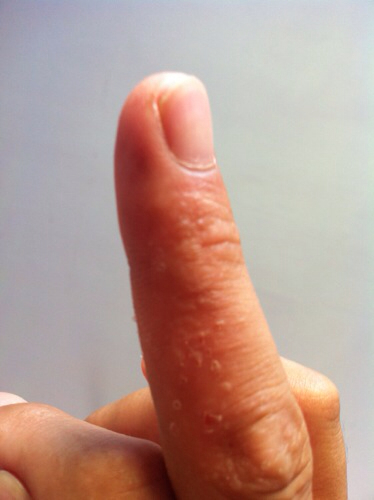
You might notice it while yawning, tasting something, or simply checking your oral health—you place a dab of saliva between your thumb and forefinger, pull them apart, and instead of breaking cleanly, the saliva forms a long, sticky, elastic string that stretches an inch or more. This isn’t just a curious party trick or a sign of simple dehydration. This abnormal viscosity, where saliva behaves more like egg white or glue, is a distinct physical sign. It could indicate a significant mucus abnormality, specifically an overproduction of abnormally thick mucins, most commonly linked to dehydration, but also serving as a hallmark of the autoimmune condition Sjögren’s syndrome.
Think of your saliva not just as water, but as a carefully engineered biological fluid. Normal, healthy saliva is about 99% water, with the remaining 1% containing electrolytes, enzymes, and glycoproteins called mucins. Mucins are what give saliva its slight lubricating quality. When this precise balance is disrupted, the texture changes dramatically, offering a tactile clue to your internal state.
The Dehydration Fallacy: Beyond Just Needing Water
While severe dehydration is the most common cause of thick, stringy saliva (as the body conserves fluid, leaving behind a concentrated, mucus-dense residue), the key distinction is persistence. If your saliva remains abnormally stringy even after you are well-hydrated, it points to a problem with the mucus-producing glands themselves, not just a lack of water to dilute their product.
The Autoimmune Connection: Sjögren’s Syndrome
This is where the symptom becomes a significant clinical marker. Sjögren’s syndrome is an autoimmune disorder where the body’s immune system mistakenly attacks its own moisture-producing glands, primarily the salivary and lacrimal (tear) glands.
Here’s what happens:
- Lymphocytic Infiltration: Immune cells (lymphocytes) invade the salivary glands, causing inflammation and damage to the acinar cells that produce the watery component of saliva.
- Gland Dysfunction: The damaged glands struggle to produce the thin, watery serous fluid. However, the mucus-producing cells may be less affected or even overstimulated by the inflammatory environment.
- The Imbalance: The result is a drastic shift in the ratio of the saliva’s components. The watery base is diminished, while the sticky mucins become the dominant feature. This creates the characteristic thick, ropy, stringy saliva that patients often describe as “cotton mouth” or feeling like they have glue in their mouth. The saliva can literally string between the fingers or form filaments that stretch from the roof of the mouth.
Other Potential Links to Mucus Abnormalities
While Sjögren’s is a primary suspect, altered saliva viscosity can also be associated with:
- Certain Medications: Hundreds of common drugs list “dry mouth” (xerostomia) as a side effect (antihistamines, antidepressants, diuretics, many blood pressure pills). This chemical-induced dryness often results in thicker, sticker residual saliva.
- Chronic Sinusitis or Post-Nasal Drip: Excess mucus production from the sinuses can mix with saliva in the back of the throat, altering its consistency.
- Cystic Fibrosis: This genetic disorder causes the production of abnormally thick, sticky mucus throughout the body, including in secretions that can mix with saliva.
- Advanced Diabetes: Poorly controlled diabetes can lead to dehydration and salivary gland dysfunction.
Your Action Plan: From String Test to Diagnosis
- The Hydration Challenge: Consciously drink at least 2 liters of water (electrolyte-enhanced can help) over a day, avoiding caffeine and alcohol. Test your saliva the next morning. Does it still string dramatically? If yes, it’s likely not just dehydration.
- Assess Other Symptoms: Do you have chronically dry eyes (a gritty, sandy feeling)? Dry mouth that makes it hard to swallow crackers without water? Swollen salivary glands in front of your ears or under your jaw? Unusual dental decay? Fatigue and joint pain? These are all classic companions in Sjögren’s.
- Perform a Cracker Test: Try eating a plain, unsalted saltine cracker without any liquid. If you cannot do it easily due to a lack of saliva, it’s a strong subjective indicator of significant dry mouth.
- See a Rheumatologist or Your Dentist/Doctor: A rheumatologist specializes in autoimmune disorders. A dentist is often the first to notice the signs of Sjögren’s due to rampant tooth decay and dry oral tissues. Describe your symptom: “My saliva is consistently thick and stringy, even when I’m well-hydrated.”
- Prepare for Diagnostic Tests: To confirm or rule out Sjögren’s, doctors may use:
- Blood Tests: For specific antibodies (SS-A/Ro and SS-B/La, ANA).
- Schirmer’s Test: Measures tear production.
- Salivary Gland Function Tests: Such as measuring saliva flow rate.
- Lip Biopsy: A minor procedure to remove tiny salivary glands from the inner lower lip to look for the characteristic lymphocytic infiltration under a microscope.
That string of saliva between your fingers is more than a curious texture. It is a physical manifestation of a biochemical imbalance—a tangible clue that the delicate factories producing your body’s lubricants may be under autoimmune attack or compromised by medication. By paying attention to this simple, tactile sign and correlating it with other symptoms, you can uncover a hidden systemic condition, leading to a diagnosis that brings explanation, management, and relief. Your body’s secrets are sometimes held in the most everyday substances; this one is quite literally at your fingertips.