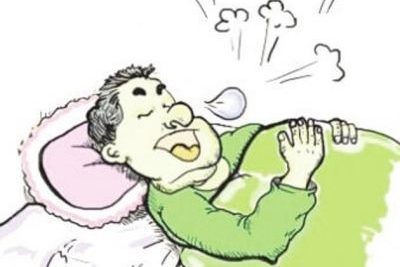
It’s startling to be told you gave a detailed critique of the news, recited a grocery list, or held a full, logical conversation in your sleep. This isn’t the typical mumbled gibberish or emotional outbursts of most sleep-talk (somniloquy). This is complex, coherent, grammatically correct speech emerging from deep sleep. Far from a quirky party trick, this specific phenomenon is a recognized hallmark of a specific REM sleep behavior disorder. It is often considered a prodromal sign—a warning symptom appearing years or even decades before the clear onset of neurodegenerative diseases, most notably Parkinson’s disease, Lewy body dementia, and multiple system atrophy (MSA).
To understand why, we must enter the strange world of REM (Rapid Eye Movement) sleep, the stage associated with vivid dreaming.
The REM Sleep Breakdown: When the Paralysis Fails
Normally during REM sleep, your brain is highly active, but your body is in a state of atonia—a temporary, reversible paralysis orchestrated by structures in your brainstem. This prevents you from physically acting out your dreams.
In REM Sleep Behavior Disorder (RBD), this protective paralysis system fails. The “switch” that should inhibit motor neurons remains off. As a result, individuals can vocalize and physically enact their dreams. While thrashing and punching are the more dramatic signs, complex vocalization is a core feature. Because the speech originates from a dreaming brain that is narratively and linguistically active (unlike in deeper, non-REM stages), the output can be startlingly lucid, narrative, and syntactically perfect.
The Neurological Link: A Problem in the Brain’s “Control Room”
RBD is not a primary sleep disorder; it is a synucleinopathy—a disease caused by the misfolding and clumping of a protein called alpha-synuclein. These clumps, called Lewy bodies, progressively damage and destroy specific areas of the brain.
The brain structures first affected are in the brainstem, precisely where the circuits for REM atonia live. The damage here manifests as RBD long before the clumps spread upward to affect the substantia nigra (causing Parkinson’s motor symptoms like tremor and rigidity) or the cortex (causing dementia).
Thus, RBD with complex vocalizations is not a symptom of the disease; it is an early warning of the underlying pathological process, often appearing 10-15 years before other symptoms.
The Statistical Warning: From Sleep Talk to Diagnosis
The correlation is alarmingly strong:
- Over 80% of individuals diagnosed with idiopathic RBD (with no other neurological symptoms) will eventually develop a defined neurodegenerative synucleinopathy.
- Studies show the conversion rate to Parkinson’s or Lewy body dementia is approximately 5-10% per year following an RBD diagnosis.
- The vocalizations in RBD are often emotionally charged (angry, fearful, defensive) and action-oriented (“Get away!” “I have to catch it!”), reflecting the often-violent dream content characteristic of the disorder.
Distinguishing Benign from Ominous Sleep Talk
Not all coherent sleep-talk is RBD. Key differentiators include:
- Context of Vocalization: Benign sleep-talk is more common in non-REM sleep, is often nonsensical or brief, and the sleeper is typically hard to wake. RBD vocalizations occur during REM sleep, are often linked to visible physical movements (twitching, gesturing), and the sleeper may be easily awakened and recall a vivid, action-packed dream that matches their speech/actions.
- The “Bed Partner’s Report”: This is the most valuable diagnostic tool. A partner witnessing the event can note if the speech is paired with movement, the emotional tone, and whether the eyes are visibly moving under the lids (a sign of REM sleep).
Your Action Plan: From Observation to Proactive Neurology
If you or a partner notice this pattern, a strategic, proactive approach is essential.
- Document Rigorously: Keep a “sleep log” noting the frequency, content of speech, associated movements, and any dream recall. Video/audio recording (with consent) can be invaluable.
- Seek a Specialist: A Sleep Neurologist. This is crucial. A standard sleep study (polysomnogram) is required to confirm RBD. It must capture episodes of REM sleep without atonia, correlating them with vocalizations or movements.
- Undergo a Comprehensive Neurological Exam: Even in the absence of daytime symptoms, a neurologist will perform a detailed assessment of motor function, coordination, sense of smell (often impaired early), and cognition to establish a baseline.
- Embrace Proactive Neuroprotection: While no cure exists, a diagnosis of RBD is a powerful mandate for lifestyle intervention:
- Cardiovascular Exercise: The single most evidence-backed intervention to potentially slow neurodegeneration.
- Cognitive Engagement: Puzzles, learning, social interaction.
- Diet: Emphasis on Mediterranean or MIND diets, rich in antioxidants and anti-inflammatory foods.
- Safety-Proof the Bedroom: Remove sharp objects, pad bed corners, sometimes even using a bed alarm or separate sleeping arrangement to prevent injury.
- Consider Clinical Trials: Individuals with RBD are prime candidates for neuroprotective clinical trials aiming to prevent or delay the onset of Parkinson’s or Lewy body dementia. A diagnosis grants access to this cutting-edge frontier of medicine.
The gift of coherent sleep-talk is the gift of time—a long lead-time warning of a process that has begun but not yet bloomed into its most devastating forms. It is the brain’s pathology announcing itself in the theater of dreams before it takes the stage of waking life. By recognizing this specific, articulate midnight soliloquy for the serious neurological signpost it is, you can shift from being a passive patient of the future to an active, prepared participant in preserving your brain’s health for as long as possible. It is a call to action, spoken in the clearest of terms, from the depths of sleep.