6 Ear Symptoms That Could Be Warning You About Your Health is a topic many people overlook, even though the ears can reveal far more about your overall well-being than you might expect. While hearing issues can sometimes be mild and temporary, they can also be early warning signs of deeper health concerns. More than 5% of the global population lives with disabling hearing loss, and countless others experience minor symptoms they mistakenly ignore.
Your ears send signals when something is wrong—and paying attention to those signals can help you prevent serious complications later on. Below are six important ear symptoms that might be telling you more about your health than you realize.
1. Ear Ringing (Tinnitus)
One of the most common ear-related symptoms people experience is tinnitus, a persistent ringing, buzzing, or clicking sound inside the ear. Although it is often harmless, tinnitus should not always be brushed aside.
In many cases, tinnitus develops from:
- Excessive earwax buildup
- Exposure to loud noises
- Pressure or tightening around the jaw joint (TMJ)
- Sudden changes in air pressure
However, tinnitus can also be connected to medical conditions such as:
- Menopause
- Meniere’s disease
- High blood pressure
- Cardiovascular disorders
If the ringing lasts a long time, becomes louder, or is accompanied by dizziness, vertigo, loss of balance, or a feeling of fullness in the ears, it’s essential to get medical attention. Persistent tinnitus can indicate issues with blood flow or nerve function that may require treatment.
2. Itchy Ears
Constantly scratching your ears or feeling an irresistible itch can reveal several possible ear health concerns. While occasionally itchy ears are normal, persistent itchiness often points to:
- Fungal infections
- Ear eczema
- Inflamed or irritated skin inside the ear canal
These conditions can cause dryness, flaking skin, and sometimes even a cheese-like discharge with an unpleasant smell. If scratching leads to pain or the symptoms worsen, it’s better to avoid touching the area and seek professional care. Most ear infections are easily treatable, but leaving them untreated can make them more severe.
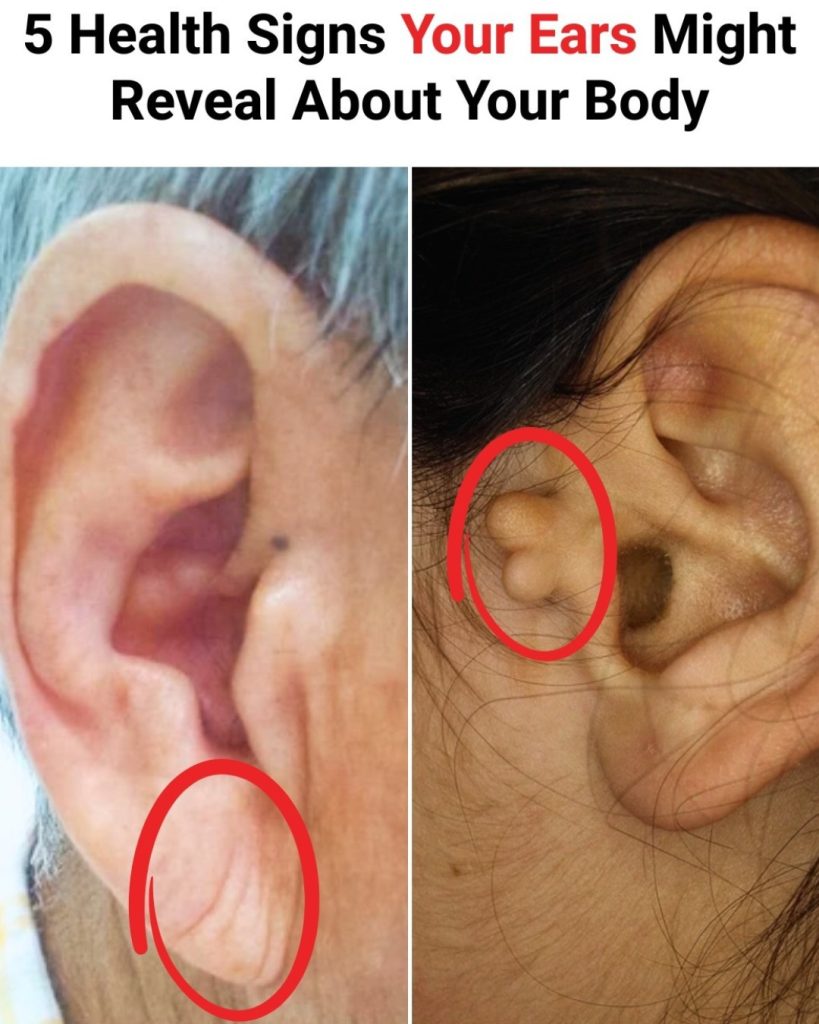
3. Skin Tags on the Ears
Skin tags around the ear may look harmless or even genetic, but they sometimes provide clues about kidney health, especially in newborn babies. Since the kidneys and ears develop around the same time during pregnancy, unusual growths on a newborn’s ears might prompt a doctor to perform additional kidney function tests.
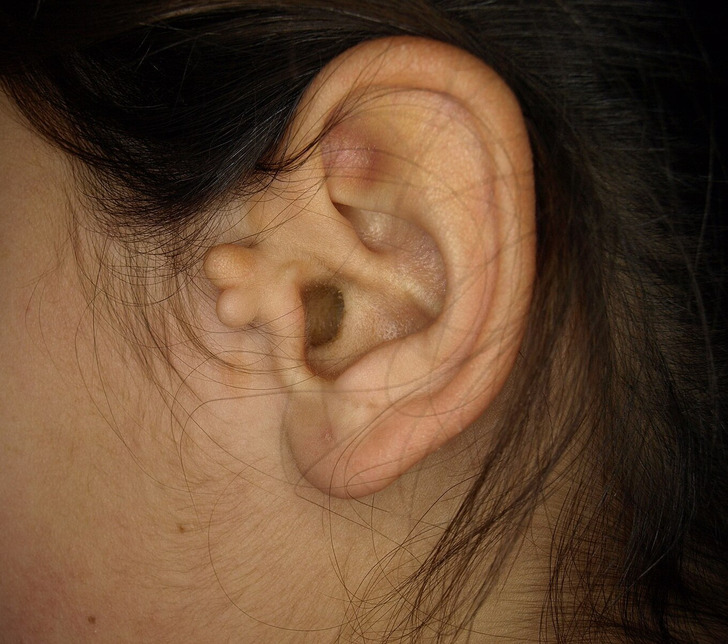
This does not necessarily mean there is a serious problem. In adults, ear skin tags are usually benign. However, if a skin tag becomes painful, swollen, or begins to bleed, it’s important to have it examined.
4. Earlobe Creases (Frank’s Sign)
A small diagonal crease on your earlobe—known as Frank’s sign—can sometimes indicate an increased risk of coronary artery disease (CAD). While not everyone with this crease has heart issues, research suggests a connection between earlobe creases and reduced blood supply to the heart.
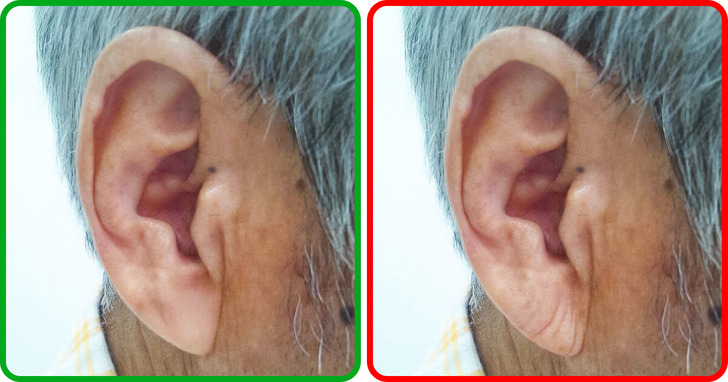
If you notice this crease and experience any of the following symptoms, you should see a doctor promptly:
- Chest pain
- Shortness of breath
- Feeling lightheaded or faint
Catching this sign early may help you prevent a heart attack or detect cardiovascular problems sooner.
5. Low-Set Ears in Children
Low-set ears are not a symptom that develops later in life—they are usually present at birth or early childhood. This feature is sometimes associated with genetic conditions such as:
- Down syndrome
- Turner syndrome
- Shprintzen-Goldberg syndrome
- Jacobsen syndrome
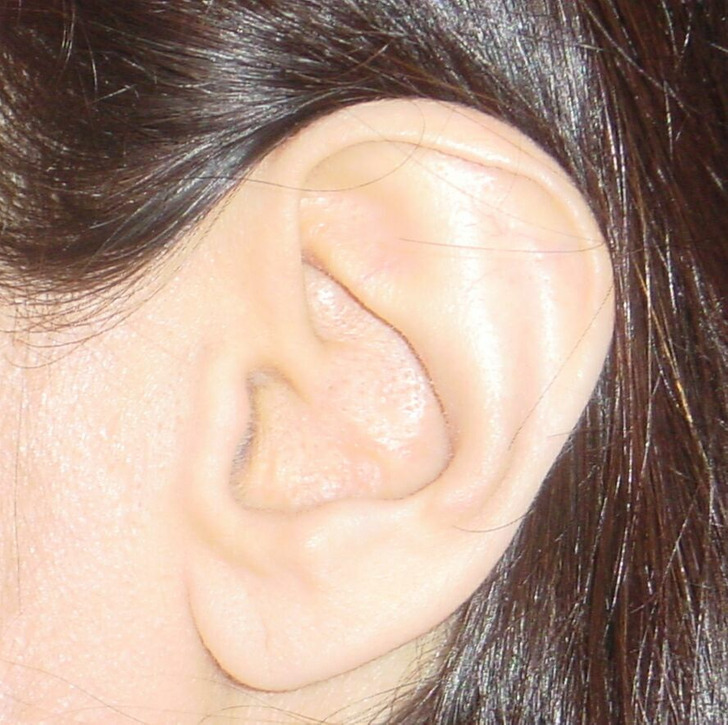
Children with these conditions may experience developmental differences or physical characteristics affecting the head, neck, or growth patterns. Early identification allows for timely medical support and developmental care.
6. Sticky, Wet Earwax
Earwax helps protect the ear canal from dust, bacteria, and irritants. Normally, earwax naturally migrates outward and falls away without extra cleaning.
However, studies have shown that wet, sticky earwax may be linked to a higher risk of breast cancer, especially in women. This does not mean the earwax itself is dangerous, but rather that certain genetic markers affecting earwax consistency can also be associated with breast cancer risk.
It’s also important to note that earwax type varies by ethnicity:
- Wet earwax is more common among African and European populations.
- Dry earwax is more common among Asian populations.
If the texture of your earwax suddenly changes or you notice an unusual amount of moisture, odor, or discomfort, consider visiting a healthcare provider.
Final Thoughts: Don’t Ignore Persistent Ear Symptoms
Ear infections and ear-related symptoms are incredibly common, but they should never be ignored—especially when they linger or worsen. While not every symptom requires an emergency visit, persistent ear discomfort is always worth checking.
Your ears are small, but they can reveal major insights about your heart, kidneys, immune system, and even your genetic health. Listening to what your ears are telling you could help you catch health issues early and protect your long-term well-being.