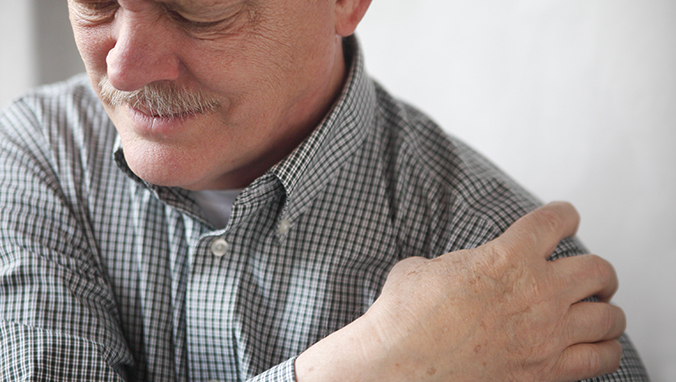
You’ve just finished a lovely meal. Maybe it was a celebratory dinner with steak and fries, or perhaps just your regular Friday night pizza. But instead of feeling satisfied and relaxed, a deep, nagging ache begins to bloom in your back, right between your shoulder blades. You try to stretch, change positions, even blame the old office chair. But the discomfort persists, a mysterious guest that arrived with the dessert.
It’s easy to dismiss it as “just getting older.” But what if your body is trying to point you to a specific, often-overlooked culprit? That unexplained back pain, especially after a rich or fatty meal, might be your gallbladder sending up a flare signal.
The Gallbladder: Your Bile Storage Unit
First, let’s meet the star of our story: the gallbladder. Tucked discreetly under your liver in the upper right quadrant of your abdomen, this small, pear-shaped organ is easily forgotten—until it makes itself known. Think of it not as a vital organ like the heart, but as a specialized storage tank.
Its job is simple but crucial: it stores and concentrates bile, a greenish-yellow fluid produced by your liver that helps you digest fats. When you eat a meal, especially a fatty one, your body signals the gallbladder: “It’s go time!” The gallbladder contracts, squeezing its stored bile through a tiny pipe called the bile duct and into your small intestine, where it gets to work emulsifying fats, much like dish soap cuts through grease on a pan.
When the Storage Tank Becomes a Trouble-Maker
The problem starts when the harmony of this system is disrupted. The most common issue is gallstones. These are hardened pebbles that form from excess cholesterol or bilirubin in the bile. They can be as small as a grain of sand or as large as a golf ball.
For many people, gallstones are “silent” and cause no problems. But for others, they become the source of significant drama. Here’s the scene of the crime:
You eat a fatty meal. Your gallbladder gets the signal to contract and release bile. But if a gallstone is lodged in the neck of the gallbladder or in the bile duct, the contraction pushes against a blockage. The gallbladder, a muscular little sac, squeezes and squeezes against this obstruction, unable to empty itself. This leads to a buildup of pressure, causing it to swell and become inflamed—a condition known as cholecystitis.
This inflammation and pressure don’t always stay neatly contained in the upper right abdomen. The pain often radiates or refers. The nerves that serve the gallbladder share a pathway with nerves that serve the area between your shoulder blades and even your right shoulder. So, when the gallbladder is in distress, the brain can get the signals crossed, and you feel the pain in your back. It’s a classic case of mistaken location.
The Telltale Signs: It’s Rarely Just Back Pain
While back pain can be the most prominent feature, a grumpy gallbladder usually provides other clues. If your back pain is accompanied by any of the following, it’s time to pay close attention:
- Pain in the Upper Right Abdomen: This is the ground zero. It might feel like a deep, persistent ache or a sharp, cramping pain.
- The “Fatty Food” Connection: The pain typically begins within 30 minutes to a few hours after a meal, particularly a meal rich in fried foods, creamy sauces, cheese, or fatty meats.
- Nausea or Vomiting: The distress in your digestive system often triggers a wave of nausea.
- Bloating and Gas: You might feel unusually full and gassy after eating.
- A Feeling of Indigestion That Isn’t: It feels like heartburn, but antacids don’t touch it.
A classic gallbladder attack often involves a gripping pain in the upper abdomen that radiates to the back and right shoulder, accompanied by nausea. It’s a distinctive, miserable package deal.
Why Now? The Midlife and Beyond Connection
You might be wondering, why does this seem to start happening in our 40s, 50s, and beyond? Gallstones have a few favorite risk factors, and they love company:
- The “Four F’s”: A classic, if outdated, mnemonic still taught in medical schools is “Female, Forty, Fertile, and Fat.” While not entirely accurate (men get them too!), it highlights the higher risk for middle-aged women, especially those who have had children.
- Estrogen: Higher levels of estrogen, whether from pregnancy, hormone replacement therapy, or birth control pills, can increase cholesterol in bile and decrease gallbladder motility, making stone formation more likely.
- Rapid Weight Loss: When the body breaks down fat quickly during fasting or crash dieting, the liver secretes extra cholesterol into the bile, which can lead to stone formation.
- Diet: A diet high in refined carbohydrates and unhealthy fats and low in fiber is a key contributor.
What to Do When You Suspect the Gallbladder
If this story is sounding a little too familiar, it’s not a reason to panic, but it is a reason to act.
- Keep a “Food and Pain” Diary: For a week or two, jot down what you eat, when you eat it, and any symptoms that follow. This is powerful evidence for your doctor.
- Schedule an Appointment with Your Doctor: Describe your symptoms clearly, including the location of the pain (both abdomen and back), its timing in relation to meals, and the specific foods that seem to trigger it.
- Prepare for Simple Tests: Diagnosis is usually straightforward. An abdominal ultrasound is the gold standard—it’s painless and can easily spot gallstones. A blood test can also check for signs of infection or inflammation.
The good news is that gallbladder issues are highly treatable. For recurrent or severe attacks, the most common solution is a cholecystectomy—the surgical removal of the gallbladder. It’s one of the most common surgeries performed, often done laparoscopically with minimal incisions and a quick recovery. And here’s the best part: you don’t need your gallbladder. Your liver will still produce bile and drip it continuously into your intestine. You just lose the storage tank, which means you might need to be a bit more mindful of large, fatty meals afterward.
So, that unexplained back pain after eating? Don’t just write it off as another ache. See it as a message—a signal from a small, hardworking organ that’s struggling with the workload. By listening to that signal, you can find answers, get relief, and get back to enjoying your meals, pain-free.