You’re trying to thread a needle, unlock your phone, or simply put on a favorite ring, and you notice it—a subtle but undeniable puffiness in your fingertips. They feel tight, maybe a little tender, and your fingerprints look smoother, less defined. It’s not painful enough to send you to the emergency room, but it’s peculiar. You might shrug it off as too much salt on your popcorn last night, but what if your body is trying to point to something more specific?
Swollen fingertips, especially when the very tips are involved, are a unique signal. This isn’t the generalized fluid retention that makes your ankles puff up. This is a more localized, often persistent change that can be your body’s way of sending a memo from its internal systems.
The Telltale Sign: Clubbing and Beyond
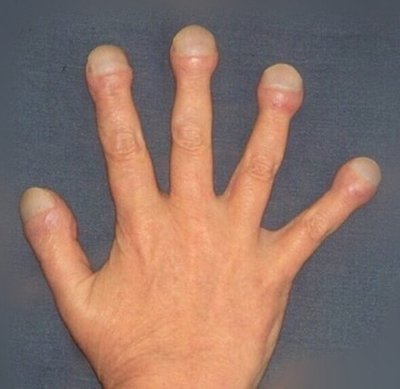
The most distinct, and often most concerning, sign related to swollen fingertips is a condition called digital clubbing. This isn’t just simple swelling; it’s a gradual, structural change in the fingertips and nails that happens over weeks or months.
Here’s what to look for:
- Loss of the Lovibond Angle: The normal nail has a sharp, diamond-shaped window where it meets the cuticle. When clubbing begins, that angle softens and disappears, making the nail bed feel “spongy” or floating.
- Enlargement of the Fingertips: The very tips of your fingers become rounder and broader, almost bulbous. It can look like you’re wearing the ends of drumsticks, which is why it’s sometimes called “drumstick fingers.”
- The Nail Curvature: In advanced stages, the nails may curve downward, following the contour of the swollen fingertip.
Clubbing is significant because it’s often associated with underlying conditions that reduce the oxygen in your blood. The most common of these are heart and lung diseases. The theory is that low oxygen levels trigger the release of certain factors that increase blood flow and tissue growth at the very extremities of your fingers. So, if you notice this specific set of changes, it is a very good reason to schedule a check-up with your doctor.
But It’s Not Always Clubbing: The Other Usual Suspects
Before you jump to conclusions, know that most swollen fingertips are due to less serious, though often annoying, conditions.
- Inflammation Station: Arthritis
This is a prime suspect, especially for those of us in the 50+ club. Osteoarthritis can cause bony enlargements at the very last joint of the finger (the Heberden’s node), which can feel and look like swelling. Inflammatory arthritis, like Rheumatoid Arthritis or Psoriatic Arthritis, causes the lining of the joints to become inflamed, leading to a warm, tender, and symmetrically puffy “sausage-like” appearance in the fingers. If your morning stiffness lasts longer than 30 minutes, this is a key clue. - The Fluid Factor: Edema
Generalized fluid retention (edema) can definitely pool in the fingers. Causes include:- High Salt Intake: The classic culprit. Your body holds onto water to balance the sodium.
- Medications: Certain blood pressure medications (like calcium channel blockers), steroids, and even some over-the-counter anti-inflammatories can cause edema.
- Hormonal Shifts: Especially common in women experiencing perimenopause or menopause, where fluctuating hormones can lead to fluid retention.
- The Overuse Syndrome: Repetitive Strain
Have you been gardening, typing, or using tools more than usual? Repetitive motions can cause inflammation in the tendons and sheaths of the fingers, leading to localized swelling and stiffness. Think of it as your hands asking for a vacation. - Infection: The Unwanted Guest
A small cut, hangnail, or insect bite you might not even remember can become a gateway for bacteria, leading to a localized infection called paronychia. This causes red, hot, and painfully swollen tissue around the nail. - Lymphedema: The Drainage Issue
If the lymphatic system—your body’s drainage network—is damaged or blocked, fluid rich in proteins can build up. While more common in arms after breast cancer surgery, it can sometimes affect the hands and fingers, causing firm, persistent swelling.
Your Detective Work: What to Pay Attention To
When you notice the puffiness, ask yourself these questions:
- Is it one finger or all of them? One finger points to local trauma or infection. All fingers suggest a systemic issue like arthritis or edema.
- Is it worse in the morning? Stiff, puffy fingers in the A.M. are a classic sign of inflammatory arthritis.
- Are there other symptoms? This is the most important question. Are you short of breath? Do you have a persistent cough? Any chest pain or unusual fatigue? These accompanying symptoms, especially with clubbing, are your cue to see a doctor promptly.
What to Do Next: From Home Care to the Doctor’s Office
For mild, temporary swelling without alarming signs, you can try:
- Elevation: Raise your hands above your heart for 15-20 minutes, several times a day.
- Movement: Gently make fists and stretch your fingers to encourage fluid movement.
- Reduce Salt: Be mindful of your sodium intake for a few days and see if it makes a difference.
- Ice Pack: For swelling related to strain or minor injury, a wrapped ice pack can reduce inflammation.
When to Make the Call:
It’s time to schedule an appointment with your doctor if the swelling:
- Is persistent and doesn’t improve with simple measures.
- Is accompanied by any signs of clubbing.
- Is painful and interferes with your daily activities.
- Occurs along with other symptoms like shortness of breath, fever, or joint pain elsewhere.
Your fingertips are the skilled ambassadors of your touch, and they’re surprisingly communicative. That subtle swelling isn’t something to fear, but it is something to heed. It’s a nudge to listen a little more closely to your body, to play detective, and to seek answers that can bring you comfort and peace of mind. After all, those are the hands that have built, comforted, and created throughout your life—they’ve earned a little attentive care.