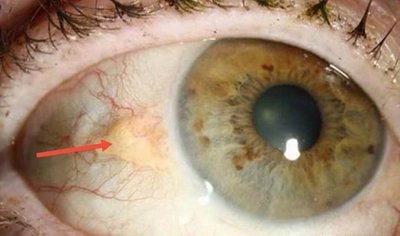
You’ve seen them before—soft, flat, yellowish patches that settle around the corners of your eyes, sometimes creeping toward the bridge of your nose. They don’t hurt, they don’t itch, and they don’t flake off. At a glance, you might mistake them for stubborn age spots or some new form of sun damage. Maybe you’ve even tried a fading cream or wondered if you’d eaten too many carrots.
But these are not age spots. They’re not caused by the sun alone, and they certainly aren’t a sign of poor hygiene.
Those yellow patches are called xanthelasma—and while they might seem like a purely cosmetic concern, they are actually tiny billboards on your skin, advertising what’s happening inside your bloodstream. In plain terms, they’re deposits of cholesterol.
Yes, cholesterol.
Think of it this way: your skin is occasionally kind enough to give you a visible receipt for what’s circulating in your veins. Xanthelasma are cholesterol-rich plaques that accumulate just under the skin’s surface, most commonly in the delicate tissue around the eyes. They appear when there’s an excess of lipids—especially LDL, the so-called “bad cholesterol”—floating in your blood. Over time, these fats can seep out of tiny blood vessels and settle into the thin dermis around your eyelids, much like sediment settling in a quiet bend of a river.
Now, before you panic, it’s important to know that not everyone with xanthelasma has dangerously high cholesterol. Genetics play a role, and some people simply have a local disposition to deposit lipids there. However, especially in midlife and beyond, their appearance should be seen as a friendly—if persistent—nudge from your body to look deeper.
Why the eye corners? The skin there is among the thinnest on the body, with fragile blood vessels and slow circulation. It’s a perfect landing spot for lipids looking to settle down. Unlike pimples or cysts, these plaques are made of fatty cells and aren’t attached to anything deeper; they’re just sitting in the top layers of skin, minding their own business but waving a small yellow flag.
What Your Body Might Be Telling You
While xanthelasma themselves are harmless—they won’t turn cancerous or affect your vision—they are statistically linked to a higher risk of underlying issues:
- High Cholesterol or Triglycerides: This is the most common association. If you haven’t had a lipid panel done recently, now is an excellent time.
- Metabolic Syndrome: A cluster of conditions including high blood pressure, high blood sugar, excess belly fat, and abnormal cholesterol.
- Thyroid Dysfunction: Particularly hypothyroidism, which can disrupt lipid metabolism.
- Liver Function Issues: The liver produces and processes cholesterol; if it’s not working optimally, levels can rise.
- Diabetes or Insulin Resistance: These often travel with lipid abnormalities.
It’s not just about vanity. One large study found that people with xanthelasma had a significantly higher risk of heart disease and heart attack, even if their blood cholesterol numbers were “normal.” So those yellow patches aren’t just commenting on your cholesterol—they’re whispering about your cardiovascular future.
What You Can Do About It
First things first: see your doctor. A simple blood test can check your lipid levels, thyroid function, and blood sugar. This isn’t about inducing fear; it’s about gaining information. Knowledge, as they say, is power—and in this case, it’s also preventative.
If your labs come back normal, you might just be genetically prone to these deposits. But if your cholesterol or triglycerides are elevated, lifestyle changes become your first and most powerful tool:
- Adjust Your Diet: Reduce saturated fats (think red meat, full-fat dairy) and eliminate trans fats (found in many fried and processed foods). Increase soluble fiber—oats, beans, apples, and Brussels sprouts can help bind cholesterol and remove it from your body.
- Move Regularly: Consistent aerobic exercise can help lower LDL and raise HDL (the “good” cholesterol).
- Manage Weight: Even modest weight loss can improve lipid profiles.
- Review Medications: Some drugs can affect lipid levels; a conversation with your doctor can help tailor your prescriptions.
As for the patches themselves, they will not go away on their own with diet or medication. They are permanent deposits unless physically removed. Removal options exist for cosmetic reasons and include:
- Laser Therapy: Precise and with minimal scarring.
- Cryotherapy: Freezing them off, though this can sometimes cause pigment changes in delicate eye skin.
- Surgical Excision: A minor procedure to cut them out.
- Chemical Peels or Targeted Acids: Applied by a dermatologist.
Important: Do not try to pick, scrape, or burn them off at home. The skin around the eyes is extraordinarily delicate, and you risk scarring, infection, or damage to your eyelids.
A Gentle Reminder, Not a Doomsday Prophecy
Finding xanthelasma can feel unsettling, but consider it an act of kindness from your body—a visible clue in a world where most cardiovascular risks are invisible. They offer you a chance to make changes long before any artery is seriously compromised.
So the next time you see those yellow patches in the mirror, don’t just see a flaw. See a reminder. A reminder to care for the unseen highways of your heart and blood, to honor the vessel that carries you through life. They are, in their own quiet way, an invitation to listen a little closer to what your body has been trying to say—a signal to tune in, not just to your skin, but to the life flowing beneath it.