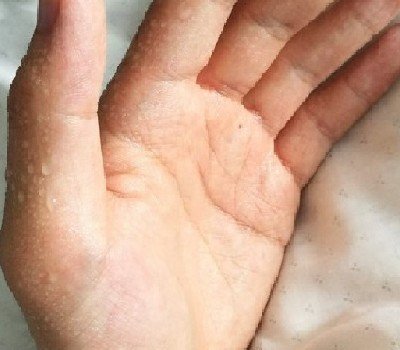
You go to shake a colleague’s hand, and your own palm feels like you’ve just pulled it from a bucket of water. You hesitate to hold a grandchild’s artwork for fear of smudging it. You avoid touchscreens, dread paper forms, and find yourself discreetly wiping your hands on your pants in a meeting. If your hands are always sweaty—not just when you’re nervous or hot, but in cool rooms, while relaxing, or even in your sleep—you’re not just dealing with a simple case of “clammy palms.” You’re witnessing a direct, dramatic broadcast from a branch of your nervous system that’s stuck in the “on” position.
This condition, known as palmar hyperhidrosis, is a medical reality, not a personal failing. And at its core, it reveals one thing with startling clarity: your sympathetic nervous system is misfiring, and it’s doing so with the subtlety of a car alarm in a library.
The Autonomic Nervous System: Your Body’s Silent Autopilot
To understand sweaty hands, you need to meet the two sides of your autonomic nervous system—the automatic pilot that controls functions you don’t think about, like your heartbeat, digestion, and, yes, sweating.
- The Parasympathetic Nervous System: This is the “rest and digest” mode. It’s in charge when you’re reading a book, enjoying a meal, or dozing off. Its motto is “conserve and calm.”
- The Sympathetic Nervous System: This is the famous “fight or flight” system. It’s the biological equivalent of a five-alarm fire drill. It kicks in when you perceive a threat—your heart pounds, your pupils dilate, and your sweat glands activate to cool your body for action.
For people with palmar hyperhidrosis, the switch for the “fight or flight” system in their hands is pathologically sensitive. It’s as if the wiring is crossed. The brain sends a constant, low-level (or sometimes high-level) alarm signal specifically to the sweat glands on the palms, soles, and sometimes the underarms and face.
Crucially, this alarm is not responding to emotional stress. It’s the cause of it. The sweat comes first, often triggered by nothing more than the thought of a potential social interaction. The embarrassment and anxiety follow, creating a vicious, self-perpetuating cycle: you sweat because you’re worried about sweating, which makes you sweat more.
What Your Sweaty Hands Are Trying to Tell You (Beyond the Obvious)
While primary hyperhidrosis (with no known medical cause) is most common, the sudden onset or severe worsening of sweaty palms in adulthood can sometimes be a clue to other conditions that affect the nervous system or metabolism. It’s your body’s way of waving a damp flag. It could be associated with:
- Thyroid Overdrive (Hyperthyroidism): An overactive thyroid revs up your entire metabolism, including your sweat production.
- Blood Sugar Swings (Hypoglycemia or Diabetes): Low blood sugar can trigger an adrenaline release, activating the sweat response.
- Menopause: Hormonal fluctuations can throw the autonomic nervous system into chaos, leading to hot flashes and unpredictable sweating.
- Certain Neurological Conditions: In rare cases, it can be linked to nerve damage or disorders like Parkinson’s disease.
- Side Effects of Medications: Some antidepressants, blood pressure pills, and even common over-the-counter supplements can list excessive sweating as a side effect.
Your Action Plan: From Damp Despair to Dry Confidence
Living with this condition is more than a nuisance; it’s a social and emotional burden. The good news is that you don’t have to just “live with it.” Modern medicine offers a ladder of solutions, from simple to more involved.
- Step One: The Clinical Strength Antiperspirant. This is the first stop. Over-the-counter “clinical strength” or prescription aluminum chloride hexahydrate roll-ons (like Drysol) are applied at night and can effectively block sweat glands. For sensitive palms, this can be irritating but effective.
- Step Two: Iontophoresis. This sounds like sci-fi but is a tried-and-true method. You place your hands (or feet) in shallow trays of water. A gentle medical device passes a very low electrical current through the water. It’s painless but creates a temporary “plug” in the sweat glands. It requires initial frequent treatments (2-3 times a week) followed by maintenance sessions. Many people achieve near-complete dryness.
- Step Three: Oral Medications. Anticholinergic drugs (like glycopyrrolate) can be prescribed. They work systemically to block the chemical messenger (acetylcholine) that tells sweat glands to activate. The downside is potential side effects like dry mouth, dry eyes, or blurred vision.
- Step Four: Botox Injections. Botulinum toxin (Botox) is FDA-approved for severe underarm sweating and is used off-label for hands. It works by blocking the nerves that activate the sweat glands. The results are dramatic and can last 6-9 months, but the injections in the palms can be painful and are costly.
- Step Five: Endoscopic Thoracic Sympathectomy (ETS). This is the last-resort surgical option for the most severe, disabling cases. A surgeon makes small incisions and clips or severs the specific nerve chain that controls sweating in the hands. While highly effective, it carries a risk of a significant side effect: compensatory sweating, where other parts of the body (like the back or chest) sweat excessively instead.
The First and Most Important Step: See Your Doctor. Start with a dermatologist or your primary care physician. A proper diagnosis is key to ruling out underlying conditions and creating a tailored treatment plan.
Your perpetually sweaty hands are not a sign of weakness, anxiety, or poor hygiene. They are a physical manifestation of a neurological glitch—a hyper-vigilant alarm system that’s forgotten how to turn off. By understanding the “why,” you can move from shame to strategy, and from a life of damp handshakes to one of confident, dry connection.