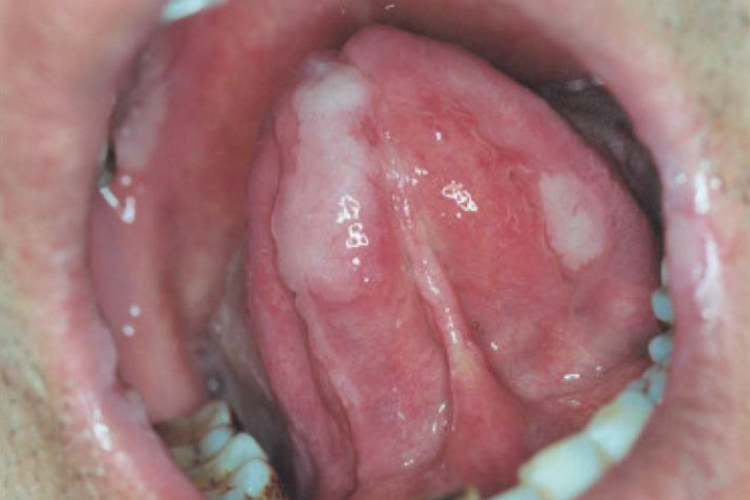
You’re brushing your teeth, flossing before bed, or simply running your tongue across your gums when you notice it—a small, persistent change. It might be a patch of tissue that feels smoother than the surrounding area, a white line that won’t rub off, a tiny, painless sore that’s been there for weeks, or a subtle ridge along the inside of your cheek. It’s easy to dismiss it as a minor irritation, a burn from hot pizza, or “just one of those things.”
But the soft, sensitive tissues of your mouth are some of the most metabolically active in your body. They are a living bulletin board for your internal state. When something unusual appears and lingers, it is often one of the earliest, most accessible signals your body can give. If you notice a persistent, unexplained change in your mouth that doesn’t heal within two weeks, it could be a signal from your immune system, your metabolic health, or even a sign of pre-cancerous cellular changes.
The Mouth as a Mirror: Reflecting Systemic Health
Unlike skin, which is tough and keratinized, the mucosal lining of your mouth is thin, highly vascular, and rapidly renewing. This makes it exceptionally sensitive to imbalances.
- The Immune System’s Message Board: Conditions like oral lichen planus appear as lacy white lines, painful red sores, or smooth, atrophic patches. This is not an infection, but an autoimmune condition where the body’s own immune cells attack the mucosal lining. Its appearance can be idiopathic, but it is also linked to systemic issues like hepatitis C, certain medications, or significant stress. Similarly, recurrent, severe canker sores (aphthous ulcers) can signal underlying autoimmune conditions like Crohn’s disease, Celiac disease, or Behçet’s syndrome, especially when accompanied by other symptoms.
- The Diabetes & Prediabetes Signal: A chronically dry mouth (xerostomia) and a dramatically increased risk of thrush (oral candidiasis)—creamy white lesions that scrape off—are classic signs of uncontrolled diabetes. High blood sugar creates a welcoming environment for yeast and compromises the immune response. Furthermore, a distinct burning mouth syndrome, often with a metallic taste, can be an early neuropathic complication of diabetes or prediabetes.
- The Nutrient Deficiency Memo: A bright red, glossy, painful tongue (atrophic glossitis) can signal deficiencies in iron, folate, or vitamin B12. Cracks at the corners of the mouth (angular cheilitis) can be caused by B-vitamin deficiencies or iron deficiency anemia. Your mouth often shows these signs long before a standard blood panel is ordered.
- The Most Critical Signal: Oral Potentially Malignant Disorders (OPMDs). This is the most important reason for vigilance. Certain changes are not just irritations; they represent cellular changes that carry a risk of developing into oral cancer. These include:
- Leukoplakia: A firmly attached white patch that cannot be scraped off. It is the most common OPMD.
- Erythroplakia: A velvety red patch that is even more strongly associated with a high risk of cancerous transformation than white patches.
- A mixture of red and white (erythroleukoplakia).
- A sore or ulcer that does not heal in two weeks.
- A persistent lump or thickening of the tissue.
The “Two-Week Rule” and Your Action Plan
Your mouth is resilient and heals quickly. Any change that persists beyond 14 days without an obvious cause (like a sharp tooth or ill-fitting denture) warrants professional evaluation.
- Do Not Panic, But Do Not Procrastinate: The vast majority of mouth lesions are benign. However, early detection of serious conditions is paramount, especially for oral cancer, where survival rates dramatically improve with early treatment.
- Perform a Self-Exam: Once a month, in good light, look and feel. Check your lips, gums, cheeks, the roof and floor of your mouth, and your tongue (top, sides, and underneath). Note anything new.
- Schedule an Appointment with Your Dentist, Not Just Your Doctor. Dentists and dental hygienists are experts in oral soft tissue pathology. They see hundreds of mouths a year and are trained to recognize subtle abnormalities. A routine cleaning is the perfect time for this screening.
- Be Prepared for the Conversation: Tell your dentist: “I’ve noticed this specific patch/spot/sore on my [location] for [length of time]. It doesn’t hurt, but it won’t go away.”
- Understand the Diagnostic Steps: If a lesion is suspicious, the next step is often a biopsy. This is a simple, quick procedure where a small sample of tissue is removed (usually under local anesthesia) and sent to a pathology lab. This is the only definitive way to rule out dysplasia (pre-cancer) or cancer. It is a standard, precautionary procedure and the gateway to peace of mind or necessary early treatment.
That small, unnoticed spot in your mouth is your body’s most accessible early-warning sensor. It is a canary in the coal mine of your overall health. By paying attention to its persistent signals and seeking a professional interpretation, you are practicing the most proactive form of healthcare—catching potential issues at their earliest, most manageable stage. In the silent language of the body, the mouth often speaks first. It’s wise to listen.