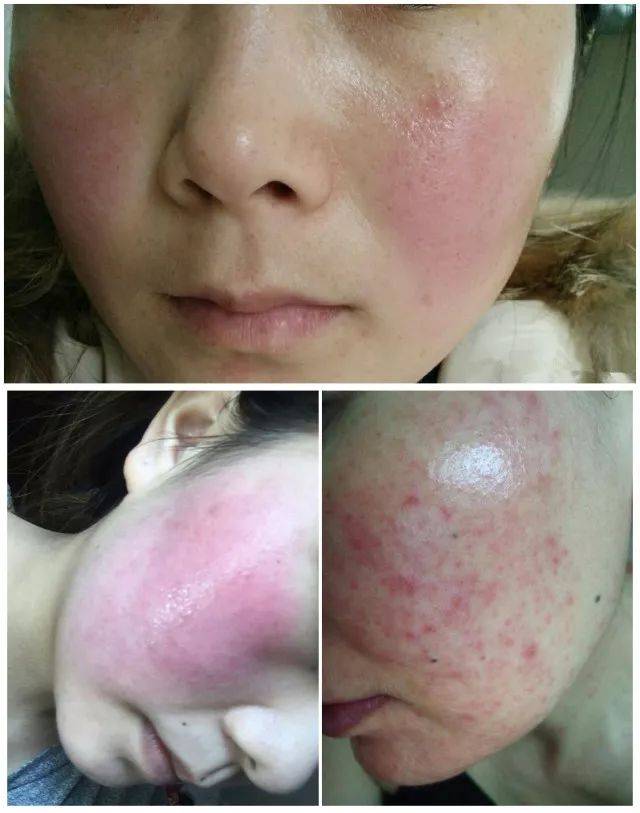
You notice it first in small, startling ways. A sleeve brushes your arm and leaves a long, red welt. A casual bump against the kitchen counter results in a bruise that blossoms like a dark flower and lingers for weeks. The skin on the back of your hands looks almost translucent, like delicate parchment, with veins mapping clearly beneath it. It tears with alarming ease from the most minor scrape.
This isn’t just about aging or dryness. Sudden, noticeable thinning of the skin—a loss of its thickness, resilience, and padding—is a profound signal from your body’s largest organ. And it carries a dire, parallel warning: If your skin is thinning suddenly, your bones might be undergoing the same silent, dangerous erosion.
The connection is not coincidental; it’s biochemical. Your skin and your bones share a critical building block: collagen.
The Collagen Connection: One Scaffolding for Two Structures
Think of collagen as the sturdy steel rebar within concrete. In your skin, collagen fibers provide thickness, structure, and elasticity—the “scaffolding” that keeps it firm and resilient. In your bones, a collagen matrix forms the flexible framework upon which hard minerals (like calcium and phosphorus) are deposited to create density and strength.
When your body’s ability to produce or maintain healthy collagen is compromised, both systems suffer simultaneously. The process that causes your skin to become thin, fragile, and prone to tears (a condition known as skin atrophy) is often the very same process that silently leaches minerals from your bones, making them porous and brittle—a condition called osteoporosis.
The Common Culprits: What’s Robbing Your Scaffolding?
Several key factors can attack this shared foundation:
- The Natural (But Accelerated) Decline: As we age, collagen production naturally slows. However, a sudden and dramatic thinning points to an accelerated process, often driven by other factors below.
- Chronic Corticosteroid Use: This is one of the most potent and common medical causes. Medications like prednisone, used long-term for conditions like asthma, rheumatoid arthritis, or autoimmune diseases, have a devastating side effect profile. They directly and powerfully inhibit collagen synthesis. The result is predictable and twin-pronged: Corticosteroid-induced skin atrophy (thin, fragile, easily bruised skin) and corticosteroid-induced osteoporosis, one of the most aggressive forms of bone loss.
- Menopause and the Estrogen Plunge: Estrogen is a crucial promoter of collagen production. The sharp decline during menopause leads directly to a loss of skin collagen, causing thinning, dryness, and wrinkles. In parallel, estrogen is vital for bone-building cells (osteoblasts). Its loss is the primary driver of postmenopausal osteoporosis. The thinning skin is a visible billboard for the identical process happening invisibly in your skeleton.
- Sun Damage (Photoaging): Chronic, cumulative UV radiation breaks down collagen and elastin in the skin’s dermis, leading to severe thinning, fragility, and easy bruising (a condition sometimes called senile purpura or solar purpura). While sun damage affects skin directly, the systemic inflammation and oxidative stress it generates can also have negative downstream effects on overall health, including bone metabolism.
- Severe Nutritional Deficiencies: A profound lack of Vitamin C (scurvy) catastrophically halts collagen production, leading to fragile skin, bleeding gums, and poor wound healing. Deficiencies in protein, vitamin D, and vitamin K also impair both skin integrity and bone formation and repair.
Your Action Plan: From Skin Deep to Bone Deep Investigation
Seeing your skin change in this way is a legitimate medical alert. It should trigger a specific investigation.
- Document the Change: Note when the thinning and fragility began. Is it correlated with starting a new medication (especially steroids)? Is it aligned with menopause?
- Schedule a Visit with Your Doctor & a Dermatologist: Describe the symptom clearly: “I have experienced a sudden onset of thin, fragile, easily torn and bruised skin.” A dermatologist can confirm skin atrophy.
- The Critical Next Step: A Bone Density Scan (DEXA Scan): This is the non-negotiable follow-up. Given the shared pathophysiology, significant skin atrophy is a strong clinical indicator to assess bone health. A DEXA scan will measure your bone mineral density (BMD) at your hip and spine, diagnosing osteopenia (low bone mass) or osteoporosis.
- Review Your Medications: With your doctor, review all prescriptions, over-the-counter drugs, and supplements. If you are on long-term corticosteroids, discuss the lowest effective dose, alternative treatments, and mandatory bone-protection strategies.
- Adopt a Dual-Protection Lifestyle:
- For Skin & Bones: Ensure adequate intake of protein, vitamin C, vitamin D, vitamin K, and calcium through diet or supplementation.
- For Bones: Engage in regular weight-bearing and resistance exercises (walking, lifting weights). This is the single most effective stimulus for bone building.
- For Skin: Practice meticulous sun protection with broad-spectrum sunscreen and protective clothing. Use moisturizers with ceramides to support the skin barrier.
Your thinning skin is not just a cosmetic concern. It is a sentinel, standing guard and reporting on the integrity of your body’s foundational scaffold. By heeding this visible warning, you have the powerful opportunity to investigate and protect the invisible structure within—potentially preventing the fragility fractures of osteoporosis before the first bone breaks. It is a profound example of how the body speaks its truths; wisdom lies in connecting the dots from the surface to the core.