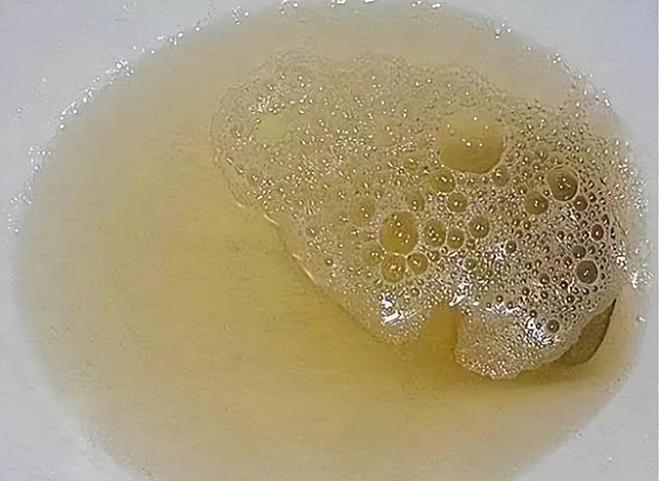
We all know the sharp, concentrated smell that comes with dehydration—a strong, ammoniac odor signaling you need to drink more water. But there are other, far more distinct and unusual smells that have nothing to do with your hydration levels. These are not mere curiosities; they are your body’s way of performing a rudimentary chemistry experiment in plain sight (or rather, plain scent). If your urine smells in one of these specific ways, it’s not dehydration—it could be a sign of a serious metabolic disorder, a raging infection, or a systemic disease.
Your kidneys are master chemists, filtering waste products from your bloodstream. When certain compounds appear in abnormal concentrations, they can volatilize into the air, creating a distinctive smell in your urine. Paying attention to these scents can provide an early warning long before other symptoms appear.
1. The Sweet, Fruity, or “Nail Polish Remover” Smell: A Diabetic Emergency
The Smell: Acetone, or a sickly-sweet, almost fruity odor, like overripe apples or nail polish remover.
What It Means: This is the hallmark of diabetic ketoacidosis (DKA), a life-threatening complication of diabetes (most commonly Type 1, but possible in Type 2). When the body cannot use glucose for energy due to a lack of insulin, it breaks down fat at an emergency rate. This process produces acidic compounds called ketones (acetone, acetoacetate, beta-hydroxybutyrate). These ketones spill into the urine and are exhaled on the breath, creating a distinctive smell.
Associated Symptoms: Extreme thirst, frequent urination, nausea/vomiting, abdominal pain, confusion, and shortness of breath. This is a medical emergency requiring immediate hospital care.
2. The “Mousy” or Musty, Hay-like Smell: A Metabolic Birth Defect
The Smell: Often described as musty, like a mouse cage, damp hay, or hops.
What It Means: This is the classic sign of Phenylketonuria (PKU), an inherited disorder where the body cannot break down the amino acid phenylalanine. The buildup of phenylalanine and its byproducts creates this unique odor in urine, sweat, and breath. While screened for at birth in developed countries, it can go undiagnosed in adults with mild forms, leading to neurological damage.
Associated Symptoms: In undiagnosed adults: eczema, seizures, intellectual disability, behavioral problems, and a musty body odor.
3. The Rotten Cabbage or Sulfurous Smell: A Rare Metabolic Error
The Smell: Like rotten cabbage, decaying vegetables, or brimstone.
What It Means: This can indicate Hypermethioninemia or Tyrosinemia, disorders of amino acid metabolism where sulfur-containing compounds (like methionine) build up. The liver’s inability to process these substances leads to their excretion, creating a powerful, unpleasant sulfur odor.
Associated Symptoms: Liver failure, failure to thrive in infants, kidney problems, and neurological issues.
4. The Strong Ammonia Smell (Beyond Dehydration): Liver Distress
The Smell: An overpowering, chemical ammonia smell, even when well-hydrated.
What It Means: Your liver converts toxic ammonia (a byproduct of protein breakdown) into urea, which is then excreted in urine. If the liver is severely damaged (from cirrhosis, hepatitis, or failure), it cannot perform this conversion. High levels of ammonia can then circulate in the blood and be released through the urine and sweat, creating a sharp, pervasive ammonia scent.
Associated Symptoms: Jaundice (yellow skin/eyes), swelling in the abdomen and legs, easy bruising, and confusion (hepatic encephalopathy).
5. The “Fishy” or Rotten Fish Smell: A Specific Bacterial Infection
The Smell: A strong, unpleasant, fishy odor.
What It Means: This is highly suggestive of a urinary tract infection (UTI) caused by specific bacteria, most notably Proteus or E. coli. Some bacteria produce an enzyme that breaks down urea into ammonia, creating the smell. More specifically, a very potent fishy smell can indicate Trimethylaminuria (“Fish Odor Syndrome”), a rare metabolic disorder where the body cannot break down trimethylamine, a compound found in fish, eggs, and organ meats, causing it to be excreted in urine, sweat, and breath.
Associated Symptoms (for UTI): Burning with urination, urgency, pelvic pain. (For Trimethylaminuria): A strong body odor that fluctuates with diet.
Your Action Plan: From Detection to Diagnosis
- Rule Out the Obvious First: Have you eaten asparagus (causes a sulfurous smell in some), taken new vitamins (especially B6), or consumed pungent foods like garlic or coffee? These can cause temporary, harmless changes.
- Hydrate and Re-test: Drink several glasses of water and check the smell of your next urine sample. If the strange odor persists despite being well-hydrated, take it seriously.
- Do Not Ignore Companion Symptoms: The odor is almost always a clue, not the full story. Note any other symptoms: thirst, fatigue, pain, fever, or changes in mental state.
- See Your Doctor Immediately for persistent, unexplained odors, especially sweet/fruity or ammonia smells. Be precise: “My urine has consistently had a sweet/fruity smell for several days, unrelated to what I eat or drink.”
- Prepare for Diagnostic Tests: Your doctor will likely order:
- Urinalysis and Urine Culture (to check for infection, glucose, ketones).
- Blood Tests: Metabolic panel, liver function tests, HbA1c (for diabetes), ketone levels.
- Specialized Tests: For suspected metabolic disorders, blood tests for specific amino acids and genetic testing may be needed.
Your nose is a powerful, if underutilized, diagnostic tool. A persistent, unusual urine odor is your body’s way of sending a chemical distress signal—a tangible sign of an invisible process going awry. By recognizing these specific scents as potential red flags, you can seek timely medical intervention, turning a simple observation into a potentially life-saving act.