Hillary Clinton Speaks Out on Epstein Files, Accuses Trump Administration of Delays and Possible Cover-Up
Former U.S. Secretary of State Hillary Clinton has publicly addressed the ongoing controversy surrounding the release of documents tied to convicted financier Jeffrey Epstein, sharply criticizing the administration of Donald Trump for what she describes as intentional delays and a lack of transparency.
Speaking during a recent interview with the BBC while attending the World Forum in Berlin, Clinton made it clear that she believes the American public deserves full access to all Epstein-related records. Her remarks have reignited debate over accountability, transparency, and the political implications of the Epstein case, which continues to implicate numerous high-profile figures across different sectors.
Hillary Clinton Calls for Full Transparency
During the interview, Hillary Clinton did not mince words when addressing the issue. She directly called for the immediate release of all Epstein-related documents, emphasizing that any delay undermines public trust.
“Get the files out. They are slow-walking it,” she stated firmly.
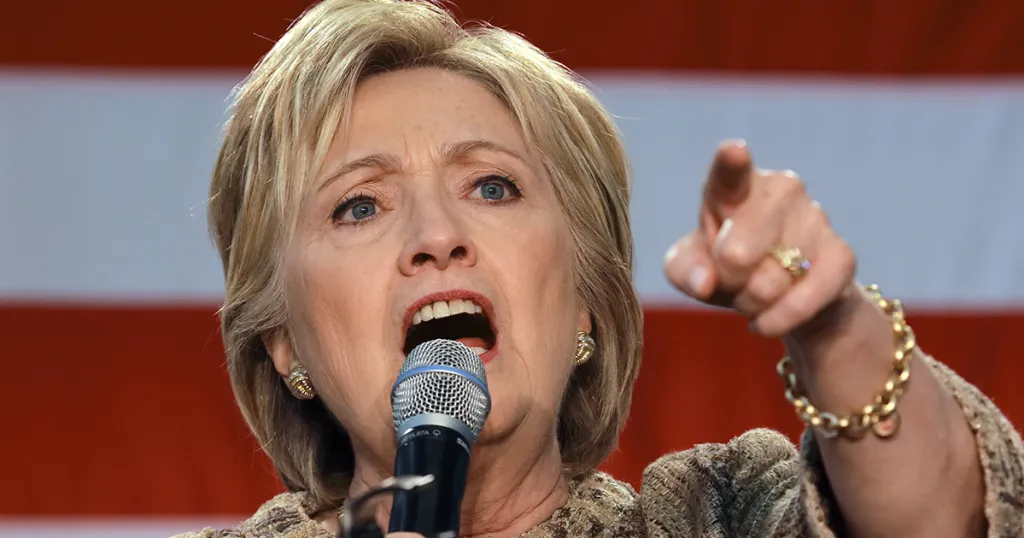
Clinton stressed that both she and her husband, former President Bill Clinton, have consistently supported transparency regarding the Epstein investigation. According to her, making all documents public is essential to ensuring accountability and dispelling misinformation.
“We have nothing to hide,” she added. “We think sunlight is the best disinfectant.”
Her comments reflect a broader push among political figures and the public for greater openness surrounding the Epstein case, which has long been shrouded in speculation and controversy.
The Epstein Files: What Has Been Released So Far?
The U.S. Department of Justice has already released millions of pages of documents related to Jeffrey Epstein. These files include flight logs, contact lists, court filings, and other materials that detail Epstein’s extensive network of connections.
Importantly, being named in these documents does not imply wrongdoing. Many individuals appear in the records simply because they had social or professional interactions with Epstein at some point.
Nevertheless, the release of these files has intensified public scrutiny of powerful individuals, including politicians, business leaders, and celebrities, fueling ongoing investigations and media coverage.
Bill Clinton’s Past Connections to Jeffrey Epstein
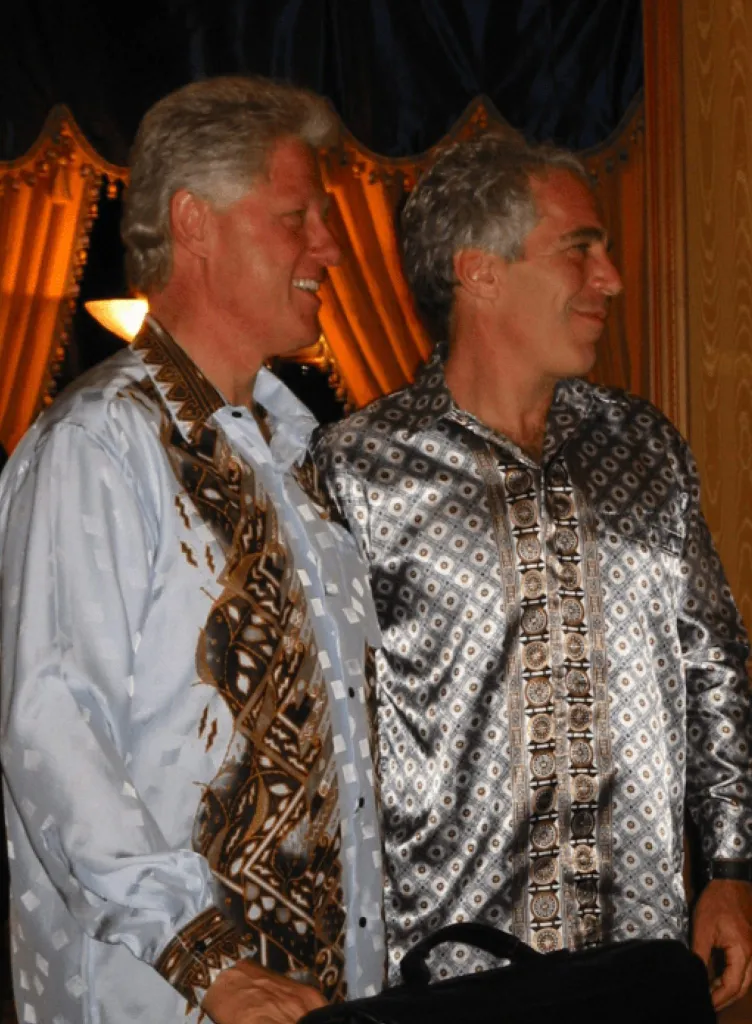
Bill Clinton’s past association with Epstein has been widely reported and remains a focal point of public discussion. The former president had social and philanthropic interactions with Epstein dating back to the late 1990s and early 2000s.
During his presidency, Epstein visited the White House multiple times. After leaving office, Bill Clinton also traveled on Epstein’s private jet on several occasions, primarily for work related to the Clinton Foundation.
Hillary Clinton addressed these connections directly, emphasizing that neither she nor her husband had any knowledge of Epstein’s criminal activities at the time.
She also pointed out that no victims have ever accused Bill Clinton of wrongdoing in connection with Epstein, reinforcing their position that their interactions were limited to legitimate engagements.
Acknowledging Links to Ghislaine Maxwell
In her remarks, Hillary Clinton acknowledged that she had encountered Ghislaine Maxwell—Epstein’s longtime associate who was later convicted for her role in his crimes—on a few occasions.
While Clinton did not elaborate on the nature of those interactions, the acknowledgment adds another layer to the complex web of relationships surrounding Epstein’s social circle.
Maxwell’s conviction has been a critical development in the Epstein case, bringing renewed attention to individuals who were part of his network.
Congressional Investigation Intensifies
The controversy surrounding the Epstein files has also escalated in Congress. Both Hillary and Bill Clinton have agreed to testify before a House committee investigating Epstein’s connections and the handling of related documents.
Hillary Clinton is scheduled to appear on February 26, with Bill Clinton set to testify the following day.
The committee, led by Republican Representative James Comer, had previously pushed for subpoenas to compel their testimony. However, the Clintons ultimately agreed to cooperate, avoiding a potential contempt of Congress vote.
Hillary Clinton expressed her willingness to participate but emphasized her preference for transparency in the process.
“We will show up,” she said, “but we think it would be better to have it in public.”
She also called for equal treatment, stating that all individuals asked to testify should be held to the same standard.
Donald Trump Responds to the Allegations
Donald Trump quickly responded to Hillary Clinton’s accusations when questioned by reporters. He strongly denied any connection to Jeffrey Epstein’s criminal activities and dismissed the criticism as politically motivated.
“I have nothing to hide. I’ve been exonerated. I have nothing to do with Jeffrey Epstein,” Trump stated.
He also suggested that the scrutiny faced by the Clintons is a consequence of their own past associations, adding, “They’re getting pulled in, and that’s their problem.”
In addition, Trump criticized Hillary Clinton personally, accusing her of harboring what he described as “Trump derangement syndrome,” a phrase often used by his supporters to describe persistent criticism of his actions.
White House Pushback and Defense
The White House has also pushed back against Clinton’s claims, defending its handling of the Epstein files. Officials argue that the administration has taken significant steps toward transparency, including releasing thousands of pages of documents and cooperating with congressional investigations.
They further highlighted Trump’s recent calls for expanded investigations into Epstein’s connections, including those involving political figures from the Democratic Party.
According to the administration, these actions demonstrate a commitment to justice and accountability, particularly for Epstein’s victims.
Political Tensions and Public Perception
The dispute between Hillary Clinton and Donald Trump over the Epstein files reflects broader political tensions in the United States. Both sides have used the issue to criticize each other, turning a sensitive legal matter into a highly charged political debate.
For many observers, the ongoing controversy underscores the difficulty of separating politics from justice in high-profile cases involving powerful individuals.
Public opinion remains divided, with some viewing Clinton’s comments as a legitimate call for transparency, while others see them as politically motivated attacks.
The Broader Impact of the Epstein Case
The Epstein case continues to have far-reaching implications beyond individual political figures. It has sparked global conversations about abuse of power, accountability, and the need for systemic reforms.
Victims’ advocates have consistently emphasized the importance of transparency in ensuring justice and preventing similar cases in the future. The release of Epstein-related documents is seen as a critical step in uncovering the full extent of his network and holding those involved accountable.
At the same time, legal experts caution against drawing conclusions based solely on document mentions, stressing the importance of due process and verified evidence.
A Continuing Saga of Allegations and Accountability
As more information emerges, the Epstein files remain a focal point of public and political attention. The back-and-forth between Hillary Clinton and Donald Trump highlights the ongoing struggle over narrative, responsibility, and transparency.
With congressional hearings on the horizon and additional documents potentially yet to be released, the situation is far from resolved.
The involvement of high-profile figures ensures that the story will continue to dominate headlines, raising important questions about accountability at the highest levels of power.
Conclusion: Transparency vs. Political Conflict
Hillary Clinton’s recent statements have added a new dimension to the already complex Epstein controversy. By accusing the Trump administration of delaying the release of key documents, she has reignited calls for full transparency.
At the same time, strong rebuttals from Donald Trump and the White House illustrate the deeply polarized nature of the issue.
As investigations continue and more details come to light, one thing remains clear: the Epstein case is not just a legal matter—it is a defining test of transparency, accountability, and public trust in modern American politics.