Nail clubbing is a noticeable change in the fingers and nails that can sometimes signal an underlying health condition. It often causes the fingertips to become enlarged or rounded while the nails curve downward over the tips of the fingers. Although these changes may develop slowly, they should not be ignored, especially if they appear suddenly or alongside other symptoms.
This article explains what nail clubbing is, possible causes, and when it may be important to seek medical evaluation. This information is for educational purposes only and is not intended as medical advice, diagnosis, or treatment.
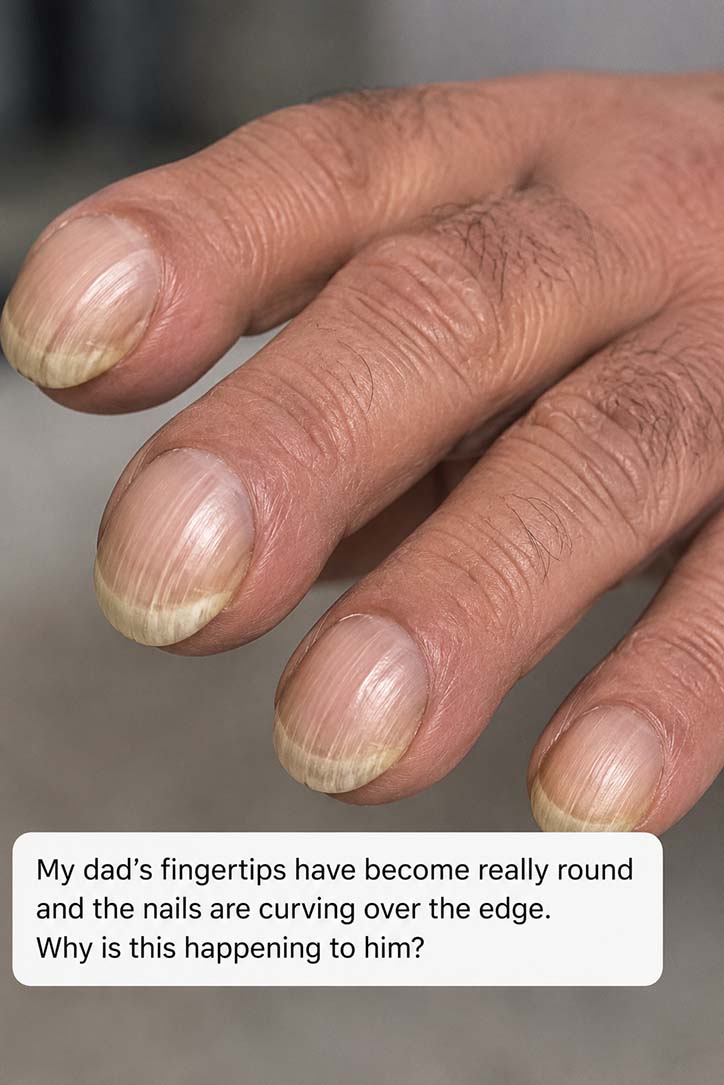
1. What Nail Clubbing Looks Like
Nail clubbing causes changes in both the nails and fingertips. The nails may appear shinier and softer than usual, while the fingertips can become swollen or bulb-like. The nails often curve downward, creating a rounded appearance sometimes described as “drumstick fingers.”
These changes may affect several fingers or all of them, and they can range from mild to very noticeable.
2. Why The Fingers Change Shape
Clubbing happens because the tissue beneath the nails thickens over time. Increased blood flow and changes in connective tissue are believed to play a role. In some cases, low oxygen levels in the blood may contribute to these physical changes.
Although the exact cause is not fully understood, clubbing is often linked to long-term medical conditions affecting oxygen circulation and overall health.
3. Lung Diseases: A Common Cause
Lung problems are one of the most common reasons for nail clubbing. Conditions such as chronic obstructive pulmonary disease (COPD), pulmonary fibrosis, and lung cancer are often associated with it.
These illnesses may reduce oxygen levels in the bloodstream, which can trigger the changes seen in the fingers and nails.
4. Heart Conditions Linked To Clubbing
Certain heart diseases can also cause nail clubbing, especially conditions that interfere with oxygen-rich blood circulation. Congenital heart defects and infective endocarditis are two examples commonly associated with clubbing.
Because these conditions affect blood flow and oxygen delivery, they may lead to swelling and nail changes over time.
5. Liver, Digestive, And Hormonal Disorders
Some liver diseases, including cirrhosis, may contribute to nail clubbing. Digestive disorders such as inflammatory bowel disease (IBD) have also been linked to the condition.
Hormonal issues, especially hyperthyroidism, can sometimes play a role as well. Changes in metabolism and circulation may affect the tissue beneath the nails.
6. Could It Be Cancer?
In some cases, nail clubbing may be connected to cancer, particularly lung cancer. Certain gastrointestinal cancers and mesothelioma have also been associated with the condition.
Although cancer is not the most common explanation, unexplained clubbing should always be evaluated by a healthcare professional.
7. When To See A Doctor
Anyone who notices nail clubbing should consider speaking with a doctor, especially if symptoms such as shortness of breath, fatigue, weight loss, chest pain, or chronic cough are also present.
Doctors may recommend tests such as blood work, chest X-rays, CT scans, or heart and lung function tests to identify the underlying cause.
8. Can Nail Clubbing Be Treated?
Treatment focuses on managing the condition causing the clubbing. In some cases, treating the underlying illness may stop the progression or improve the appearance of the fingers and nails.
However, if the underlying disease is advanced or long-term, the changes may not fully reverse. Ongoing medical care is important for monitoring overall health and preventing complications.
9. Supporting A Loved One
If your dad or another loved one develops nail clubbing, emotional support and practical help can make a big difference. Encouraging them to attend medical appointments, follow treatment plans, and complete recommended tests may help reduce stress during the process.
This article is intended for informational purposes only and does not replace professional medical advice, diagnosis, or treatment.