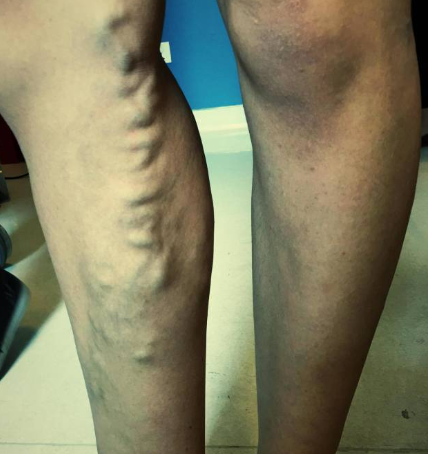
In the whirlwind of new motherhood—the sleepless nights, the first smiles, the overwhelming love—a change in your own body might go unnoticed, or be dismissed as just another part of the “new normal.” You’re focused on the tiny life in your arms, not the roadmap that seems to have appeared on your legs. But those newly prominent, perhaps twisted or bluish veins—whether they’re delicate spider veins or ropy, bulging varicose veins—aren’t just a cosmetic footnote. This postpartum change in your leg veins is a profound testament to the monumental physical journey you’ve just completed, and a vital signal about your circulatory health going forward.
While often labeled a mere aesthetic concern, these veins are, in fact, a visible record of a perfect physiological storm: a combination of crushing pressure, a flood of hormones, and a heroic, yet strained, vascular system.
The Perfect Storm: Pressure, Hormones, and Volume
During pregnancy, your body undergoes a series of breathtaking changes to support your growing baby, and your veins bear the brunt of three major forces:
- The Great Compression: As your uterus expands, it exerts significant pressure on the large inferior vena cava, the major highway that returns blood from your legs and pelvis back to your heart. This is like putting a gentle but persistent kink in a garden hose. The blood returning from your legs meets resistance, pools, and increases pressure in the veins of your lower body.
- The Hormonal Flood: To prepare your body for the immense task of childbirth, it produces soaring levels of progesterone. This hormone has a crucial side effect: it relaxes the walls of your veins. While this helps accommodate your growing uterus, it also causes the tiny valves inside your veins—which act like one-way gates to keep blood flowing upward against gravity—to become lax and inefficient. Blood can then slip backward and pool, stretching the vein walls.
- The Volume Overload: Your blood volume increases by up to 50% during pregnancy to support the placenta and your baby. This means your venous system is managing a much larger volume of fluid under increased pressure with less efficient valves—a heroic effort that often leaves lasting marks.
Postpartum: The New Landscape
After delivery, the pressure from the uterus is gone, and hormone levels eventually normalize. For some women, the veins recede significantly. But for many, the damage is done. The veins that were stretched and whose valves were compromised may not fully recover. They remain as a persistent sign of elevated venous pressure.
This is why postpartum leg veins are more than a skin-deep issue. They are a clinical sign of venous insufficiency—a condition where the veins struggle to send blood back to the heart. Symptoms that often accompany these visible veins include:
- Aching, heavy, or tired legs, especially at the end of the day.
- Throbbing or cramping.
- Itching around the veins.
- Worsening discomfort with prolonged sitting or standing.
- Restless legs at night.
The Deeper Signal: A Window into Lifelong Vascular Health
Ignoring these veins as “just something that happens” misses a critical opportunity. Their appearance post-pregnancy is a personalized alert system. It tells you that your venous system is inherently more vulnerable to pressure and hormonal shifts. This knowledge is power for your future health, because it means you are at a higher risk for:
- Worsening varicose veins with subsequent pregnancies or with age.
- Phlebitis (inflammation of a vein).
- Deep Vein Thrombosis (DVT), a blood clot in a deep vein, which carries serious risks. The postpartum period is already a time of increased clotting risk.
- Venous stasis ulcers, chronic wounds that can form if severe insufficiency is left unmanaged.
Your Postpartum Vein Action Plan: Care, Not Just Concealment
- Give It Time, But Not Infinite Time: Allow 6-12 months for your body to recover. Hormones need to regulate and circulation often improves. But if veins are painful, or if after a year they remain a significant concern, seek evaluation.
- Embrace Compression as Your Best Friend: Medical-grade compression stockings are not your grandmother’s support hose. They are a first-line, non-invasive treatment. They apply graduated pressure—strongest at the ankle—helping to squeeze pooled blood upward and support those tired valves. Wear them during the day, especially when you’ll be on your feet.
- Movement is Medicine: The “calf muscle pump” is your heart’s best helper for venous return. Walking, ankle circles, and calf raises actively pump blood out of your legs. Avoid long periods of sitting or standing still.
- Elevate with Purpose: When resting or feeding your baby, prop your legs up above the level of your heart. This uses gravity to aid your veins’ work.
- See a Vascular Specialist: A phlebologist or vascular surgeon can perform a simple ultrasound to assess the severity of venous insufficiency and map the exact problem valves. Modern treatments are minimally invasive and effective:
- Sclerotherapy: Injections to collapse spider and small varicose veins.
- Endovenous Ablation: Using laser or radiofrequency energy to seal a malfunctioning major vein from the inside.
- Ambulatory Phlebectomy: Tiny hooks to remove surface varicose veins through pinprick incisions.
These newly visible veins are not a flaw. They are the medals of a marathon—a visible, living map of the incredible pressure and sacrifice your body endured to bring life into the world. By honoring them as a signal, not just a mark, you move beyond concealment and into proactive care. You ensure that the vessels that supported your journey into motherhood are supported in return, allowing you to stand strong—on legs that feel as good as they have every right to—for all the adventures to come.