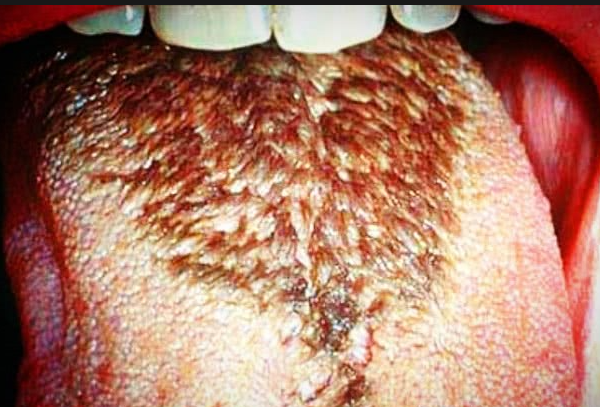
You’re in the bathroom, brushing your teeth, when you catch a glimpse of something startling in the mirror. Your tongue—the once pink, muscular landscape of your mouth—is sporting a dark, fuzzy-looking patch, often at the very back. It might look like mold, or like you’ve been licking an old, dusty bookshelf. Your first reaction is alarm, followed by vigorous scrubbing. But no matter how hard you scrape, it seems to cling on, or comes back quickly. You might feel a bit of a metallic taste, a tickle in your throat, or nothing at all besides the sheer shock of its appearance.
Rest assured, in the vast majority of cases, you haven’t contracted some strange fungus from a foreign jungle. What you’re seeing is almost certainly a harmless, if disconcerting, condition with a rather descriptive name: Black Hairy Tongue.
The name itself is enough to cause a shudder, but let’s demystify it completely. Your tongue isn’t actually growing hair. What you’re seeing are the tiny, hair-like projections that already cover your tongue, called filiform papillae, undergoing a dramatic and oddly colored transformation.
The Life Cycle of a Papilla: A Story of Overgrowth
Normally, these papillae are small, pinkish-white, and shed constantly as you eat and drink, just like skin cells. They’re what give your tongue its slightly rough texture. The problem begins when this natural shedding process gets disrupted. The papillae stop shedding and instead begin to elongate, sometimes growing up to 15 times their normal length. These long, stringy strands become a perfect trap for bacteria, yeast, food debris, and pigments.
That’s where the color comes in. The black or dark brown hue is typically the result of chromogenic bacteria—pigment-producing microbes that set up house in this tangled forest. Think of it like algae staining a slow-moving stream. Other common causes of the dark tint include:
- Coffee, tea, and red wine
- Tobacco use
- Certain mouthwashes containing oxidizing agents like peroxide or witch hazel
- Bismuth subsalicylate (the active ingredient in Pepto-Bismol)
It can also appear brown, yellow, green, or even blue, depending on what’s coloring it. It’s a banner for your recent habits, waving right from the center of your mouth.
Why Me? The Perfect Storm for a Fuzzy Tongue
While it can happen to anyone, it’s more common in adults, and certain conditions create the perfect environment for it to thrive:
- Poor Oral Hygiene: Not brushing or scraping the tongue regularly allows for more buildup.
- A Soft Diet: If you’re not eating crunchy, abrasive foods (like raw vegetables or toast), you’re not giving the papillae the natural exfoliation they need.
- Dry Mouth (Xerostomia): Often a side effect of medications, aging, or mouth breathing, a lack of saliva reduces the natural cleansing action in the mouth.
- Antibiotic Use: These can disrupt the normal balance of bacteria and yeast in the mouth.
- Heavy Smoking or Coffee Drinking: Constant exposure to pigments.
- Using Peroxide-Based Mouthwash Too Frequently: This can irritate the tongue and disrupt the microbiome.
Your De-Fuzzing Action Plan: How to Restore the Pink
The great news is that Black Hairy Tongue is almost always temporary and completely curable with simple, consistent habits. There’s no need for prescription antifungals or antibiotics unless a secondary yeast infection is confirmed (which is rare).
Your three-pronged attack:
- Mechanical Debridement (The Scrape): This is your most powerful tool. Invest in a good tongue scraper. Use it gently from the back of the tongue to the front, first thing in the morning, before the pigments from your morning coffee can set in. Follow with thorough brushing. You’ll be amazed at what comes off, and you’ll see improvement within days.
- Hydration and Diet: Drink plenty of water throughout the day to promote saliva flow. Consider adding some naturally abrasive foods to your diet—an apple, some carrots, or a piece of whole-grain toast can help with natural scrubbing.
- Tweak Your Habits: If you use an alcohol- or peroxide-based mouthwash, switch to an alcohol-free, neutral fluoride rinse, or just use saline water. Cut back on known triggers like tobacco and excessive coffee/tea, at least until the situation clears.
When to See a Doctor or Dentist:
See a professional if:
- The condition persists for more than 7-10 days despite good oral care.
- It is accompanied by real pain, swelling, or bleeding (this suggests something else).
- You have a severely compromised immune system.
- You’re simply too freaked out to handle it alone (they can offer reassurance and a professional cleaning).
That black fuzz is not a sign of poor character or exotic disease. It’s a simple, if visually dramatic, sign that the delicate ecology of your mouth is slightly out of balance. Think of it as your tongue’s way of raising a tiny, furry flag—a request for a little more attention and a good, gentle cleaning. With a bit of consistent care, you can send that hairy visitor packing and restore your tongue to its rightful, healthy shade of pink.