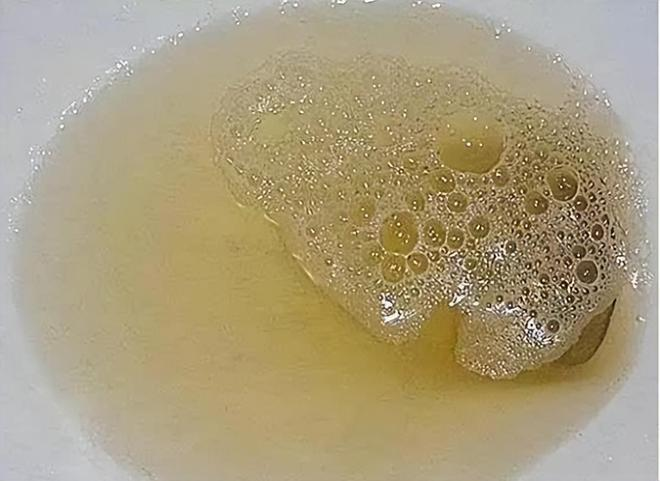
There are certain moments in life that grant you a surprising, and sometimes unwelcome, glimpse into your own inner workings. A trip to the bathroom is one of them. You glance into the bowl, as you have thousands of times before, and something gives you pause. This time, the water isn’t clear. It’s cloudy, almost murky, and when you flush, a layer of persistent, frothy bubbles lingers at the surface, like the head on a poorly poured beer.
It’s easy to dismiss it. Maybe it was something you ate. Maybe the toilet cleaner didn’t fully dissolve. But that little voice in the back of your head—the one that’s gotten wiser with age—whispers that you should pay attention. And that voice is right. While often harmless, cloudy and frothy urine can sometimes be one of the few visible signals your body sends about what’s happening deep inside, particularly with your kidneys.
Let’s be clear: we’re not talking about the clear, transient bubbles that appear with forceful urination. We’re talking about foam that is stubborn, sticky, and sticks around for minutes. And cloudiness that doesn’t clear up. This dynamic duo can be a clue, and here’s what they might be trying to tell you.
The Froth Factor: A Story of Spilled Protein
Think of your kidneys as two incredibly sophisticated, bean-shaped filtration systems. Each one contains about a million tiny sieves called glomeruli. Their job is meticulous: they filter waste and extra water out of your blood to make urine, while carefully keeping valuable things in—especially protein.
Your blood is rich with proteins like albumin. They are essential, bulky molecules that are supposed to stay in your bloodstream, helping to maintain fluid balance and perform countless other tasks. When these filters are damaged or inflamed, they can develop “leaks.” Protein, which is too valuable to waste, starts spilling into the urine.
This is where the froth comes in. Have you ever whisked an egg white? Egg whites are mostly protein and water, and when you agitate them, they become frothy and hold their shape. Urine with a significant amount of protein behaves the same way. The protein molecules reduce the surface tension of the liquid, creating a stable, persistent foam. This condition has a name: proteinuria.
So, frothy urine can be a sign that your kidneys’ delicate filters are under stress and are letting something precious slip away.
The Cloudiness Conundrum: A Cast of Characters
Cloudy urine, on the other hand, is usually a sign of something in the urine that shouldn’t be there. It’s less about what’s leaking from the blood and more about what’s happening in your urinary tract itself. The culprits for cloudiness can include:
- Crystals:High concentrations of minerals like calcium, oxalate, or uric acid can form tiny crystals that make urine look cloudy. This is often related to dehydration or diet and can be a precursor to kidney stones.
- White Blood Cells (Pus):This is a classic sign of an infection. If bacteria have set up camp in your urinary tract—be it a bladder infection (cystitis) or a kidney infection (pyelonephritis)—your body sends an army of white blood cells to fight them off. The presence of these cells, called pyuria, turns urine milky or cloudy. This is often accompanied by other telltale signs like a burning sensation, urgency, or pelvic pain.
- Mucus:The urinary tract has a lining that produces mucus for protection. Sometimes, especially with minor irritation, a bit of extra mucus can be shed, leading to cloudiness.
When the Plot Thickens: The Conditions Behind the Signs
So, what underlying conditions could be causing your kidneys to leak protein or your tract to become infected or irritated?
- The Big One: Kidney Disease.Chronic conditions like diabetes and high blood pressure are the two leading causes of kidney damage over time. They slowly, silently strain the glomeruli until they start to leak protein. Frothy urine can be one of the first visible hints that this is happening.
- Urinary Tract Infections (UTIs):Very common, especially in older adults, and a prime cause of cloudy urine. The cloudiness comes from the white blood cells and bacteria themselves.
- Dehydration:When you’re not drinking enough water, your urine becomes concentrated. This can make it darker, and it can also allow minerals to crystallize, causing cloudiness, and concentrate any normal amount of protein, making it frothier.
- Kidney Stones:The same crystals that cause cloudiness can clump together to form stones, which can also irritate the kidney lining and cause bleeding or infection.
- Prostatitis (in men):An inflamed or infected prostate can lead to white blood cells and pus in the urine, causing significant cloudiness.
Your Action Plan: Don’t Panic, But Do Investigate
Seeing this for the first time doesn’t mean you need to head to the emergency room, but it does mean you should move from curiosity to action.
- The Hydration Test:The first and simplest step is to drink several large glasses of water throughout the day. If the cloudiness and frothiness disappear with better hydration, you’ve likely found your answer. If it persists despite being well-hydrated, it’s time to dig deeper.
- Schedule a Visit with Your Doctor.This is the most important step. Tell them exactly what you’ve noticed: “I have persistent, frothy urine and cloudiness that doesn’t go away with hydration.”
- The Simple, Revealing Test: The Urinalysis.This is the key that unlocks the mystery. A simple, dipstick test of your urine can instantly detect the presence of protein, white blood cells, and other clues. If the dipstick is positive for protein, your doctor will likely order a more precise test, often a “urine albumin-to-creatinine ratio (UACR),” or a 24-hour urine collection to measure the exact amount of protein you’re losing.
The goal here is not to frighten you, but to empower you. That cloudy, frothy urine is a signal. It’s your body’s way of waving a flag and pointing a spotlight at a system that usually works in silent, flawless efficiency. By understanding what that signal might mean, you can take the proactive step that leads to answers.
Catching kidney issues early is critical. It’s the point where lifestyle changes and medications can be most effective at preserving your long-term health. So, the next time you see that unexpected foam and haze, see it not as a problem, but as a prompt—a nudge to listen to your body’s quiet wisdom and ensure the filters that keep you clean on the inside are working as well as they should.