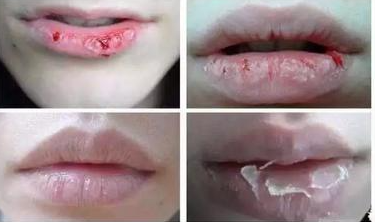
You’ve tried it all. The medicated balms, the thick ointments, the gentle exfoliation. You drink water diligently, avoid licking your lips, and yet, they persist: dry, peeling, sometimes even cracked at the corners. It’s more than a winter nuisance or a reaction to a new lipstick. This stubborn, recurring condition is your body posting a bulletin in one of its most sensitive places. If your lips are always dry and peeling, your digestive system—and the larger ecosystem of your gut—could be signaling a critical breakdown in nutrient absorption and internal hydration.
Think of your lips not as an isolated border, but as the visible frontier of your entire digestive tract. They are mucous membranes, just like the lining of your mouth, esophagus, and intestines. When they are chronically parched and flaking, it’s often a mirror of what’s happening deeper within.
The Gut-Skin Axis: The Internal Drought
The concept of a “gut-skin axis” is well-established in integrative medicine. An inflamed, imbalanced, or “leaky” gut can manifest as inflammation and poor barrier function on the skin. For the delicate skin of the lips, this internal turmoil often translates to a failure to retain moisture and repair itself. Here’s how the signals travel:
- Malabsorption of Key Nutrients: Your lips need specific building blocks to stay healthy. Chronic gut issues—like Celiac disease, Crohn’s, ulcerative colitis, or even long-term imbalances like Small Intestinal Bacterial Overgrowth (SIBO)—can prevent your intestines from absorbing the very nutrients that keep mucous membranes supple.
- B Vitamins (especially B2 – Riboflavin, B3 – Niacin, B6, and B12): Crucial for skin cell repair and moisture. A deficiency can lead directly to cheilitis (inflamed, cracked lips) and angular cheilitis (cracks at the corners of the mouth).
- Iron: Deficiency is a leading cause of persistent mouth and lip sores, pallor, and generalized dryness.
- Zinc: Essential for wound healing and immune function at the skin barrier. Low zinc can cause severe, crusty lip inflammation.
- Essential Fatty Acids (Omega-3s): When your gut can’t properly process fats, you miss out on these critical components that form your skin’s lipid barrier, its natural “sealant” against moisture loss.
- Chronic Dehydration at the Cellular Level: This isn’t about not drinking enough water. It’s about your gut’s inability to distribute and retain that hydration effectively. If the gut lining is inflamed or damaged (“leaky gut”), it can disrupt the delicate balance of fluids and electrolytes. You can drink gallons, but if your internal plumbing is compromised, the hydration never properly reaches the tissues that need it, including the sensitive mucosal tissues of your lips.
- The Candida Connection: An overgrowth of yeast (Candida albicans) in the gut, often following antibiotic use or a high-sugar diet, can manifest externally as fungal infections. One common site? The corners of the mouth (angular cheilitis). This isn’t just dryness; it’s a red, sometimes weepy, cracked split that won’t heal with balm alone. It’s a direct sign that your internal microbial balance is off.
- Food Sensitivities & Silent Inflammation: A low-grade food intolerance (like to gluten or dairy) you may not even be fully aware of can keep your gut in a state of constant, low-level inflammation. This systemic inflammation can express itself at your weakest points, and for many, the delicate lip tissue is an early warning system.
The Other Usual Suspects (That Still Point Inward)
While gut health is a prime suspect, other internal conditions also use the lips as a signal board:
- Hypothyroidism: An underactive thyroid slows everything down, including sweat and oil gland production. This leads to overall dry skin and notoriously dry, pale lips.
- Diabetes: Uncontrolled blood sugar leads to dehydration and poor circulation, robbing peripheral tissues (like lips) of moisture and nutrients. It also increases susceptibility to infections like fungal cheilitis.
- Certain Autoimmune Diseases: Sjögren’s syndrome directly attacks moisture-producing glands, causing severe dryness of the mouth and lips. Lupus can also present with mucosal ulcers and dryness.
Your Healing Protocol: From External Salve to Internal Solution
Treating chronic lip dryness requires moving beyond the tube of balm and looking within.
- Start a Food & Symptom Journal: For two weeks, log everything you eat and drink, and note the state of your lips. Look for patterns. Do they worsen after bread, cheese, or sugar?
- Prioritize Gut-Healing Nutrients: Focus on incorporating foods rich in the suspected deficiencies:
- B Vitamins: Eggs, leafy greens, nuts, lean meats, nutritional yeast.
- Iron: Spinach, lentils, red meat (in moderation), pumpkin seeds.
- Zinc: Shellfish, legumes, seeds, whole grains.
- Omega-3s: Fatty fish (saldom], mackerel), flaxseeds, walnuts.
- Consider a Probiotic & Digestive Enzyme: A high-quality probiotic can help rebalance gut flora. A digestive enzyme with meals might assist absorption if your own enzyme production is low.
- Hydrate Wisely: Sip water and herbal teas (like chamomile or slippery elm) throughout the day. Add a pinch of high-quality sea salt to your water to improve electrolyte balance and cellular absorption.
- The Critical Step: See Your Doctor. Explain your persistent lip issue and your suspicion of an internal cause. Request tests for:
- Complete Blood Count (CBC) & Iron Panel
- B Vitamin levels (especially B12 and Folate)
- Thyroid Panel (TSH, Free T3, Free T4)
- Blood Glucose & HbA1c
- In some cases, a test for Celiac disease or a stool analysis for gut health.
Your peeling lips are a plea—not for more petroleum jelly, but for internal nourishment. They are a visible cry from your gut, asking for balance, absorption, and true, cellular hydration. By listening to this signal and addressing the root cause, you can heal your lips from the inside out, restoring not just their smoothness, but a fundamental piece of your overall well-being.