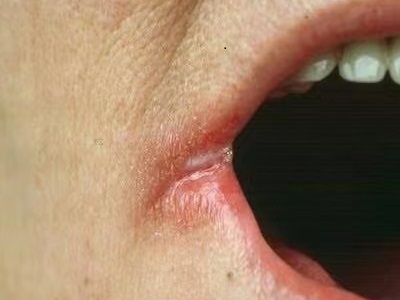
You know the feeling. A small, stinging crack at the corner of your mouth. It seems to appear out of nowhere, a tiny fault line in your smile. At first, you blame the winter air or a night spent sleeping with your mouth open. You slather on lip balm and Vaseline, hoping it will vanish in a day or two. But it doesn’t. It lingers, it burns when you eat anything salty or acidic, and it might even crust over, only to split open again the next time you yawn.
This frustrating condition has a name: Angular Cheilitis (or Perlèche). And while simple dryness can be the initial spark, its stubborn refusal to heal is often a flare, a signal from your body that something else is out of balance. It’s not just chapped lips; it’s a clue.
The Perfect Storm in a Corner
The corners of your mouth are a unique and vulnerable crossroads. They are constantly in motion—talking, eating, smiling. They are also warm, dark, and can trap moisture from saliva. This creates the perfect environment for a “perfect storm” of factors to converge.
The primary trigger is often excess moisture and maceration. This is a fancy word for the skin breaking down from being constantly wet. As we age, several things can contribute to this:
- Loss of Facial Structure:Over time, we can lose collagen and elasticity in our skin, and some bone density in our jaws. This can lead to subtle sagging around the mouth, creating small folds at the corners where saliva can easily pool and accumulate. Dentures that don’t fit perfectly can also create these folds.
- The Licking Habit:When our lips feel dry, our first instinct is to lick them. This provides momentary relief but is ultimately disastrous. As the saliva evaporates, it dries the skin out even more, and the digestive enzymes in saliva irritate the delicate skin, leading to inflammation and cracking.
Once that tiny crack appears, it becomes an open door.
The Unwanted Guests: Fungus and Bacteria
An open, moist crack is a prime piece of real estate for microorganisms. The two most common squatters are:
- A Yeast (Fungal) Infection:Most commonly,Candida albicans—the same yeast that causes thrush. This infection often presents with redness that extends beyond the crack itself and may have a slightly creamy, white coating that you can wipe off.
- A Bacterial Infection:OftenStaphylococcus aureus. This can cause more crusting, yellow scabs, and significant soreness.
Often, it’s a combination of both. This is why that tube of chapstick is powerless against it. You’re not dealing with dryness; you’re dealing with an infection.
The Deeper Message: What Your Body Might Be Telling You
This is where Angular Cheilitis transitions from a minor skin annoyance to a potential messenger. Its persistence can be a sign of an underlying nutritional or health issue that needs addressing.
- The Nutritional Deficiencies:This is a big one. The classic deficiency linked to Angular Cheilitis is in theB vitamins, particularlyRiboflavin (B2),B12, andFolate (B9). Iron deficiency is also a very common culprit. These nutrients are essential for skin health, cell repair, and a robust immune system. Without them, your skin loses its ability to heal itself effectively.
- The Diabetes Connection:Elevated blood sugar levels can create two problems. First, it can weaken your immune system, making you more susceptible to fungal infections like Candida. Second, sugar in your saliva provides a ready-made food source for that yeast, allowing it to thrive.
- A Compromised Immune System:Any condition, or medication, that suppresses your immune system can make you more vulnerable to the infections that cause Angular Cheilitis.
- Severe Dry Mouth (Xerostomia):Certain medications (for blood pressure, allergies, or depression) can cause dry mouth. Without adequate saliva to maintain a healthy oral environment, yeast can overgrow and easily infect the corners.
Your Game Plan for Healing
Because the cause is often multi-layered, the solution needs to be as well. Here’s what you can do:
- See Your Doctor or Dentist:This is the most important step. They can properly diagnose the cause and, most importantly, determine if it’s fungal, bacterial, or both. They can prescribe a targeted topical cream—an antifungal, an antibiotic, or a combination cream that also contains a mild steroid to calm the inflammation.
- Address the Moisture:Keep the area dry, but not dry and cracked. After eating or drinking, gently pat the corners dry. Use a thick, protective barrier like a zinc oxide ointment (the same used for diaper rash) or plain petroleum jelly to protect the skin from saliva.
- Evaluate Your Diet and Supplements:Talk to your doctor about running a blood test to check your Iron, B12, and Folate levels. In the meantime, focus on a nutrient-rich diet: leafy greens, lean meats, eggs, legumes, and fortified whole grains.
- Check Your Dentures:If you wear dentures, ensure they are cleaned thoroughly every day and that they fit properly. Ill-fitting dentures are a prime cause of the mouth folds that start this whole process.
- Stop the Licking:Break the cycle. If your lips are dry, use a bland, fragrance-free lip balm constantly, so you aren’t tempted to lick.
Those stubborn cracks at the corners of your mouth are more than a nuisance; they are a request for a deeper investigation. They’re asking you to look past the symptom and listen to the underlying cause. By understanding the complex dance of moisture, microbes, and nutrition, you can move beyond temporary fixes and find the lasting solution that allows you to smile, widely and comfortably, once again.