Just Discovered Something in My Child’s Hair: What It Might Be and When to Seek Help
As a parent, few things trigger anxiety faster than noticing something unusual in your child’s hair. Whether it’s a tiny moving creature, a cluster of eggs, or a sticky residue, your mind immediately jumps to questions: Is it dangerous? Should we see a doctor? How did this happen?
Hair-related issues in children can range from completely harmless to conditions requiring medical attention. Understanding what you’re dealing with—and acting calmly—can help you make informed decisions and reduce both your child’s discomfort and your own stress.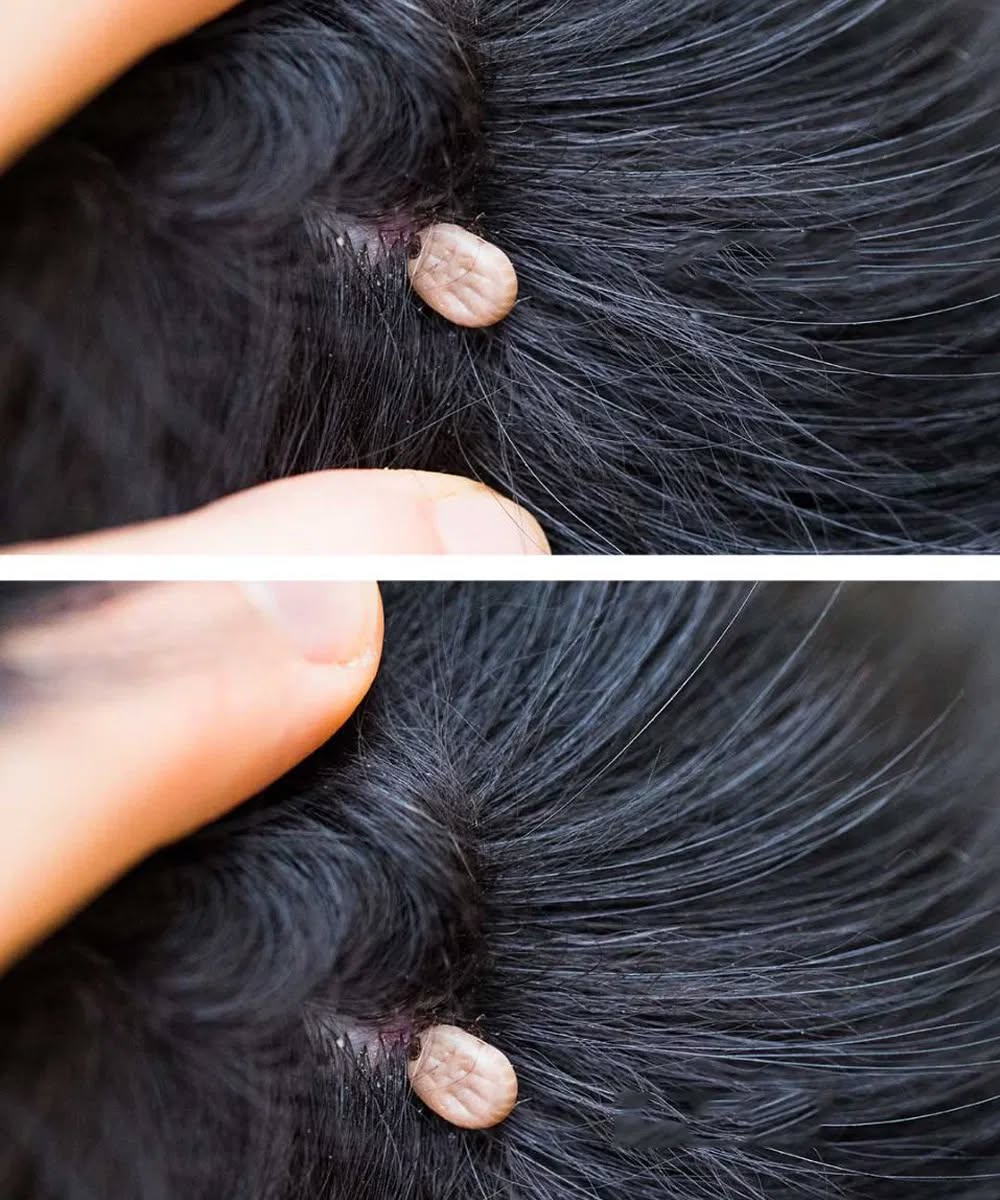
In this article, we’ll explore the most common causes of unusual hair findings in children, with a focus on pests like lice and mites. We’ll also cover how to identify these issues, effective home remedies, preventive measures, and when it’s critical to consult a healthcare professional.
1. The First Step: Examine Carefully
The first step when you spot something strange in your child’s hair is careful observation. Take a calm approach and try to describe exactly what you’re seeing. Consider these questions:
Is it moving?
Is it attached to the hair shaft?
Does it look like a small creature or a cluster of tiny eggs?
Are there any changes in hair texture, color, or scalp condition?
A magnifying glass can help you get a closer look at potential lice, mites, or other debris. Document your observations by taking notes or photos—it can be invaluable if you decide to consult a doctor or pharmacist.
2. Common Hair Pests in Children
Children are particularly vulnerable to hair pests due to close contact in schools, playgrounds, and daycare environments. The most common culprits include:
Head Lice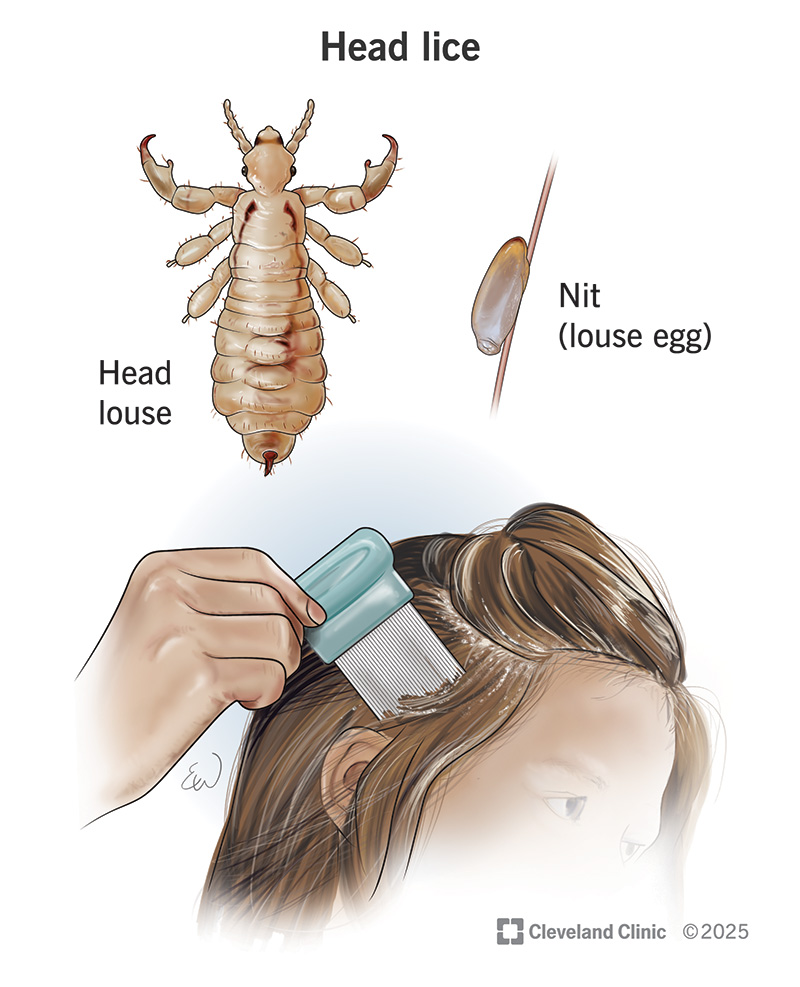
Head lice are tiny, wingless insects (2-3 mm long) that feed on human blood. They lay eggs, known as nits, close to the scalp. Signs of lice include:
Persistent itching
Red bumps or sores from scratching
Nits attached firmly to hair shafts, often behind the ears or at the nape of the neck
Mites
Mites are microscopic arachnids that sometimes affect children. While scabies mites burrow into the skin, causing intense itching and rashes, dust mites don’t live on humans but can trigger allergic reactions.
If you suspect mites, look for:
Red, itchy bumps on the scalp or skin folds
Rashes resembling tiny pimples
Irritation that worsens at night
Understanding the characteristics of these pests is essential for correct identification and treatment.
3. Identifying Mites: Key Characteristics
Mites are challenging to spot with the naked eye. You’ll often recognize them through the symptoms they cause rather than seeing the creatures themselves.
Scabies mites: Cause intense itching, particularly at night, and a rash that often appears in skin folds, but sometimes can affect the scalp.
Dust mites: Invisible to the naked eye, they can cause sneezing, itchy eyes, runny nose, and worsen asthma or eczema.
If your child shows these symptoms, it’s worth considering a professional evaluation even if you don’t see the mites directly.
4. Symptoms to Watch For
When investigating unusual hair findings, monitor your child for persistent or worsening symptoms:
Continuous scratching or discomfort
Red bumps, sores, or scalp irritation
Difficulty sleeping due to itching
Signs of secondary infection, such as pus, swelling, or crusting
Tracking symptoms over time helps you identify patterns and determine if medical attention is needed.
5. Safe Home Remedies and Hacks
Parents often try home remedies to eliminate hair pests before consulting a doctor. Some of the most popular include:
For Lice
Mayonnaise or olive oil: Applied to hair to suffocate lice, followed by combing with a fine-toothed nit comb
Essential oils: Tea tree oil and lavender oil are sometimes used for their insect-repelling properties (always perform a patch test first)
Nit combing: The most effective non-chemical method; comb hair daily for at least a week
For Mites
Wash bedding, hats, and clothing in hot water to remove any mites
Vacuum mattresses, furniture, and carpets to reduce exposure to dust mites
While home remedies can be effective, it’s essential to ensure they are safe for children. Avoid harsh chemicals, and consult a pediatrician if unsure.
6. When to Consult a Doctor
Even with careful home treatment, there are times when professional advice is necessary:
Persistent or worsening itching despite treatment
Open sores or signs of infection (pus, redness, swelling)
Severe allergic reactions (hives, swelling, difficulty breathing)
Pre-existing skin conditions or sensitivities
A doctor or dermatologist can provide a definitive diagnosis and prescribe appropriate treatments, such as medicated shampoos, topical creams, or oral medications for more severe infestations.
7. Preventive Measures for Hair Pests
Prevention is often more effective than treatment. Parents can reduce the risk of hair pests by:
Teaching children not to share hats, combs, hair accessories, or helmets
Encouraging head-to-head contact avoidance during play
Regularly washing bedding, stuffed animals, and clothing in hot water
Vacuuming and cleaning living spaces to reduce dust and mites
Educating your child about hygiene and personal space helps prevent future infestations.
8. Understanding the Risks of Mites
While small, mites can pose real risks if left untreated.
Scabies mites: Cause intense itching, rashes, and potential secondary infections from scratching
Dust mites: Trigger allergic reactions, exacerbate asthma, and contribute to eczema flare-ups
Awareness of these risks allows parents to take proactive measures to protect their child’s health and comfort.
9. How Hair Pests Affect Health
Hair pests can impact children’s physical and emotional well-being. Some common effects include:
Skin irritation: Scratching can cause sores and infections
Sleep disruption: Nighttime itching can lead to fatigue and irritability
Allergic reactions: Dust mites can worsen respiratory symptoms like asthma or sneezing
Emotional distress: Children may feel embarrassed or anxious about visible lice or rashes
Early recognition and treatment reduce both physical discomfort and emotional stress.
10. Treatment Options Available
Depending on the type of infestation, treatments may include:
Over-the-counter lice shampoos: Containing permethrin or pyrethrin
Prescription medications: For resistant lice or scabies infestations
Oral medications: Sometimes prescribed for more severe mite cases
Topical creams or ointments: For scabies and other mite-related skin irritation
Always follow the treatment plan exactly as prescribed, including repeated combing and cleaning household items to prevent re-infestation.
11. Long-Term Care and Monitoring
Even after successful treatment, ongoing vigilance is essential:
Regularly inspect your child’s scalp for lice, nits, or signs of mites
Maintain personal hygiene habits and educate your child about hair care
Clean bedding, hats, and hair accessories frequently
Keep a record of treatments and outcomes for future reference
If infestations recur, consult a pediatric dermatologist for further evaluation and guidance.
12. Final Thoughts: Stay Calm and Informed
Discovering something unusual in your child’s hair can be stressful, but most cases are treatable and manageable. By staying calm, observant, and proactive, you can identify the cause, apply safe remedies, and protect your child’s health.
Remember: Not every hair irregularity is dangerous. Most often, with proper hygiene, careful observation, and timely treatment, your child will be healthy, happy, and pest-free.