Kissing Bugs Uncovered: How to Protect Yourself and Prevent Chagas Disease
Summer brings warm weather, outdoor adventures, and evenings spent under the stars—but it can also attract some unwelcome visitors. While most people know to watch out for mosquitoes and ticks, few are aware of another insect with a deceptively gentle name: the “kissing bug.” Despite how harmless it sounds, this bug—also known as the assassin bug—can carry serious health risks. It feeds on the blood of humans and animals and can transmit parasites that cause Chagas disease.
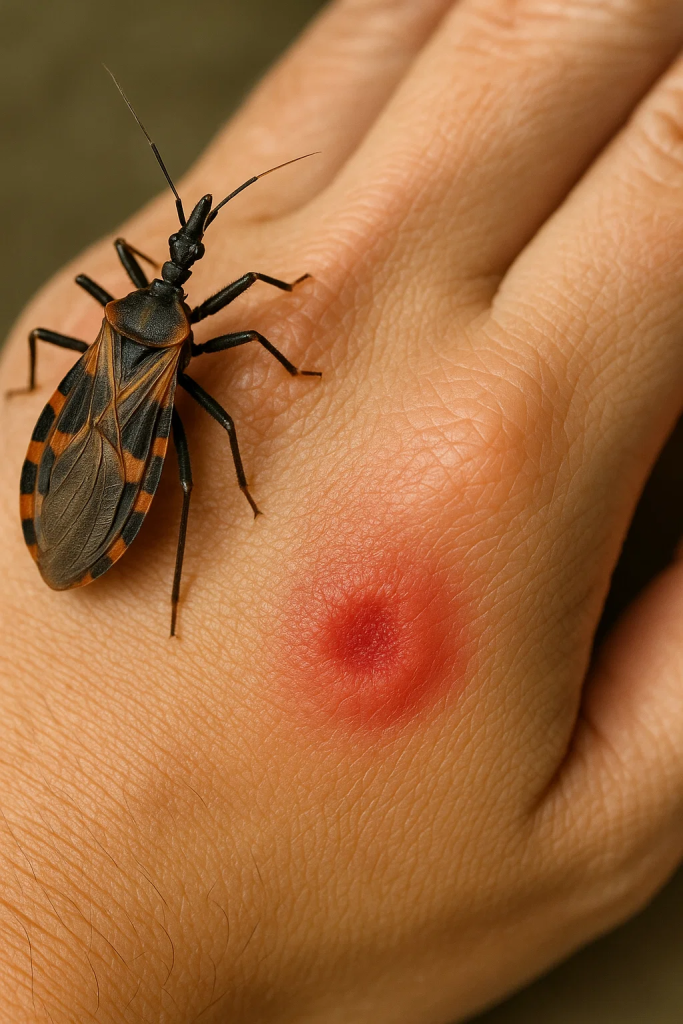
These insects are becoming more common across the United States, especially in the warmer Southern regions. They often hide in gardens, under porches, within wood piles, or occasionally make their way indoors through small openings. Areas with clutter or poorly sealed spaces are more likely to attract them. Pets, too, can come into contact with these bugs outdoors and unknowingly bring them closer to your home. Recognizing their favorite hiding spots is the first step toward prevention.
To keep your home safe, maintain clean and tidy outdoor areas. Remove debris, store firewood away from the house, and repair torn window screens or cracks where bugs could slip in. Check your pets regularly for bites or irritation after spending time outside. These small habits can significantly lower your risk of exposure. Staying alert and proactive offers strong protection.
If someone becomes infected, early symptoms of Chagas disease may include fatigue, mild fever, headaches, or skin swelling near the bite. However, some people show no symptoms initially, and the disease can quietly progress—potentially affecting the heart or digestive system over time. Because of this, early testing and diagnosis are essential. If you suspect exposure, seek medical advice right away.
With awareness, quick action, and prevention, you can reduce the risk and enjoy your summer without worry. Protecting yourself and your loved ones from kissing bugs starts with simple, everyday care.