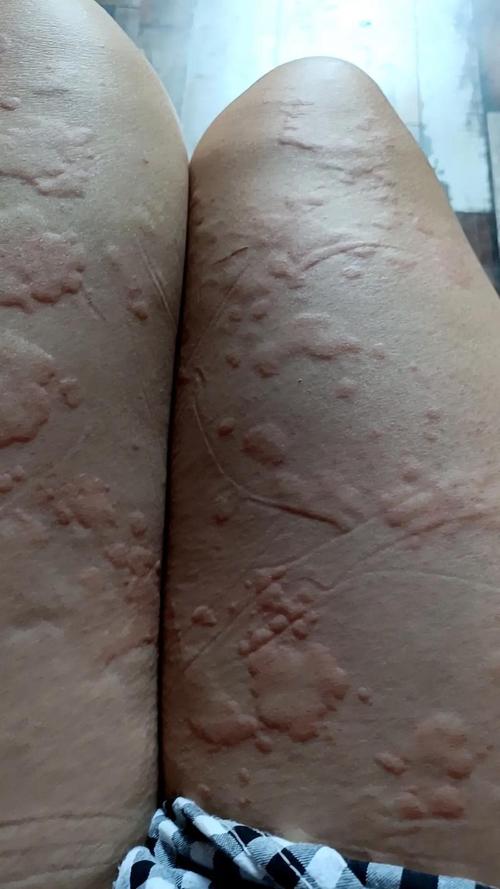
It begins subtly, perhaps. A cluster of small, reddish-purple spots on your ankles or shins that look like a strange rash. Or maybe tender, warm, raised red patches on your legs. You might dismiss them as an allergic reaction, a bug bite, or a minor skin infection. But then, another symptom emerges—one that’s impossible to ignore. You feel a persistent, dry cough. A tightness in your chest. You’re short of breath climbing a flight of stairs you used to take with ease. The two symptoms seem unrelated, but their appearance in tandem is one of your body’s most serious and urgent bulletins.
Multiple red patches on the skin combined with new breathing difficulty could be a sign of a serious systemic vasculitis—specifically, a condition like Granulomatosis with Polyangiitis (GPA) or Microscopic Polyangiitis (MPA). This isn’t a skin problem that’s causing a lung problem. It’s a single, underlying autoimmune attack simultaneously targeting the small blood vessels in both your skin and your lungs.
The Rogue Immune System: Attacking the Body’s Supply Lines
To understand this, think of your blood vessels as the body’s intricate, life-giving supply network—a system of highways, roads, and tiny capillaries delivering oxygen and nutrients to every tissue. In vasculitis, the immune system mistakenly identifies the walls of these blood vessels as foreign invaders and launches a full-scale attack.
This attack causes inflammation and damage to the vessel walls. They become swollen, weakened, and can even rupture or become blocked. This breakdown in the supply network has two visible consequences:
- On the Skin: When the tiny capillaries in the skin are damaged, blood leaks out. This appears as palpable purpura (small, raised red-purple spots that don’t blanch when pressed), ulcers, or tender red nodules. The patches are often most prominent on the legs due to gravity.
- In the Lungs: The same inflammatory process is happening in the microscopic blood vessels surrounding the air sacs (alveoli) in your lungs. This damages the delicate lung tissue, causing it to bleed and scar. This leads to the key symptoms: cough (sometimes with blood), shortness of breath, chest pain, and a feeling of profound fatigue. On imaging, it often appears as “ground-glass opacities” or nodules.
The body is essentially reporting the same critical error in two different locations: the vascular network is under siege.
Why This Combination Demands Immediate Attention
The pairing of skin vasculitis and lung involvement is a major red flag because it signifies the disease is not localized; it is systemic and aggressive. The organs with the richest networks of small vessels are most at risk. After the lungs and skin, the same process can swiftly affect:
- The Kidneys: This is the most critical danger. Kidney involvement can be silent at first but can lead to rapid kidney failure if untreated. Urine may become foamy or cola-colored from blood and protein leakage.
- The Nerves: Causing numbness, tingling, or weakness.
- The Joints: Leading to arthritis-like pain.
- The Sinuses and Ears: In conditions like GPA, this can cause chronic sinus infections, nosebleeds, and even hearing loss.
Other Potential, But Still Serious, Causes
While systemic vasculitis is a primary concern, this symptom duo can also point to other life-threatening conditions:
- Severe Allergic Reaction (Anaphylaxis): Can cause hives (red patches) and rapid-onset breathing difficulty due to throat swelling. This is a medical emergency requiring immediate epinephrine.
- Blood Clotting Disorders: Certain conditions can cause both superficial skin bleeding (purpura) and life-threatening pulmonary emboli (blood clots in the lungs), leading to sudden shortness of breath.
- Severe Infections: Such as bacterial endocarditis (heart valve infection), which can shower tiny infected clots to both skin and lungs.
- Lupus Flare: Systemic Lupus Erythematosus can cause vasculitis rashes and a serious lung inflammation called pleurisy.
Your Critical Action Plan: This Is Not a “Wait-and-See” Moment
If you are experiencing both new, unexplained skin patches and new breathing difficulties, this is a clear signal to seek medical evaluation immediately.
- Do Not Delay: Go to an urgent care clinic or emergency room. This is especially true if you are coughing up any blood, experiencing chest pain, or if your shortness of breath is worsening.
- Be a Specific Historian: Tell the doctor, “I have developed these red patches on my skin and at the same time, I’m having new trouble breathing.” This connection is the crucial diagnostic clue.
- Expect Comprehensive Tests: Diagnosis will involve a combination of:
- Blood and Urine Tests: To look for markers of inflammation (like a high ESR or CRP), anemia, and kidney function. A key test is for ANCA (Anti-Neutrophil Cytoplasmic Antibodies), which is often positive in certain systemic vasculitides.
- Imaging: A chest X-ray or CT scan to look for lung inflammation, nodules, or bleeding.
- Biopsy: A small sample of the affected skin (or sometimes kidney or lung tissue) can confirm vasculitis by showing the inflamed blood vessels under a microscope.
The treatment for systemic vasculitis is powerful and effective, typically involving corticosteroids and other immunosuppressive medications to halt the immune system’s attack and prevent permanent organ damage. Early treatment is paramount to a good outcome.
Your skin and your lungs are distant organs, but they are connected by a single, vast river system—your vasculature. When they both send distress signals at once, they are reporting a crisis on that main thoroughfare. Heed this urgent, two-part alarm. It is your body’s way of declaring a state of emergency, and prompt action can save not only your comfort but your vital organ function.