Social media has reshaped nearly every part of contemporary culture, but one of its most significant influences lies in how society understands and evaluates beauty. What once depended on narrow standards set by celebrities, fashion houses, and mainstream advertising has evolved into a more inclusive, wide-ranging concept shaped by millions of everyday users online. Platforms such as Instagram, TikTok, YouTube, and Pinterest have become dynamic cultural spaces where individuals of every size, ethnicity, and background can present themselves, their style, and their own interpretations of beauty.
These platforms fundamentally challenge outdated ideals that dominated previous decades. Historically, beauty standards in Western culture were both influential and restrictive. While trends shifted over time—from curvaceous 1950s icons like Marilyn Monroe to the extremely thin supermodel era of the 1990s and early 2000s—the expectations placed on women remained rigid. Women were frequently judged based on how closely they matched the popular body type of their generation, leading to widespread pressure, self-criticism, and unrealistic comparisons.
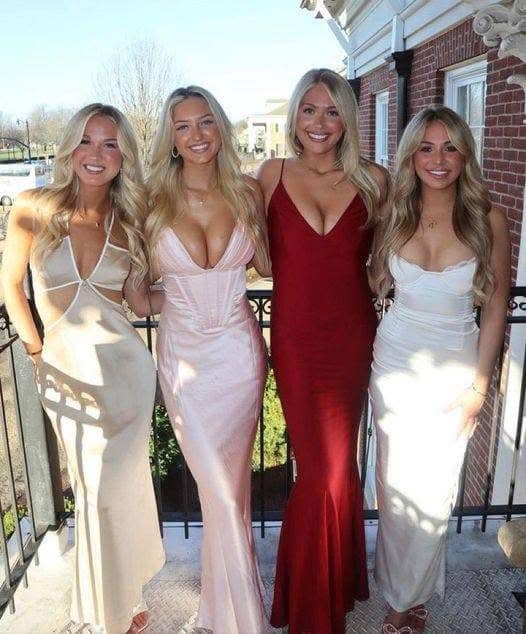
How Beauty Standards Have Shifted Over Time
Throughout the past century, American beauty ideals have been in constant transition. The celebrated hourglass figure of the mid-20th century contrasted sharply with the “heroin chic” aesthetic that emerged in the 1990s, characterized by ultra-slim frames and angular features. These trends were heavily reinforced by fashion magazines, runway culture, and Hollywood portrayals, leaving little room for deviation.
The rise of social media has disrupted this long-standing hierarchy. Instead of relying on a handful of gatekeepers, today’s audiences encounter thousands of creators daily—plus-size models, fitness influencers, non-binary individuals, lifestyle vloggers, and everyday people openly expressing themselves. This democratization of visibility allows a broader spectrum of beauty to be recognized and celebrated.
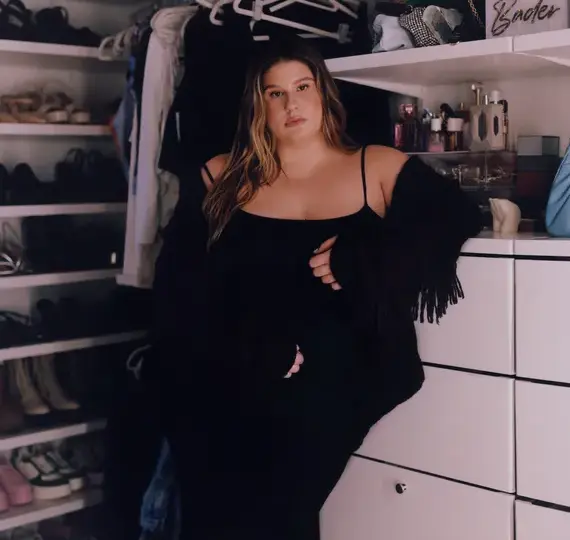
Redefining What “Average” Really Means
As representation shifts, research shows that the average body size of American women has grown over the past several decades. A study published in the International Journal of Fashion Design, Technology and Education revealed that the average American woman now wears between a misses size 16 and 18, roughly equal to a women’s plus-size 20W. The same report highlighted an increase in waist circumference from 34.9 inches to 37.5 inches over the last twenty years.
Susan Dunn, a leading researcher, explained in an interview that understanding these updated averages can significantly help women improve their self-image. She emphasized that when clothing brands acknowledge real body measurements, women feel more supported and less marginalized. Dunn also encouraged the fashion industry to widen its offerings, noting that plus-size consumers deserve stylish, accessible clothing rather than limited or hidden options.
Why Body Sizes Are Increasing Among American Women
According to data from the Centers for Disease Control and Prevention (CDC), the average American woman today weighs approximately 170.6 pounds compared to about 140 pounds in the 1960s. Several interconnected factors contribute to this increase:
Modern Lifestyle Patterns:
Many jobs today involve extended periods of sitting, reduced movement, and increased reliance on technology. Pair this with higher consumption of processed foods, sugary drinks, and convenient fast meals, and the likelihood of weight gain increases.
Cultural Transformation:
Public discourse is gradually embracing body diversity. Media campaigns, brands, and influencers increasingly promote self-acceptance and emphasize that beauty exists in many shapes and sizes. This cultural shift reduces pressure to maintain extremely thin figures.
Genetic and Environmental Factors:
Genetics influence metabolism, fat distribution, and biological predispositions. Environmental components—such as stress, socioeconomic conditions, access to nutritious food, and community infrastructure—also affect average weight trends.
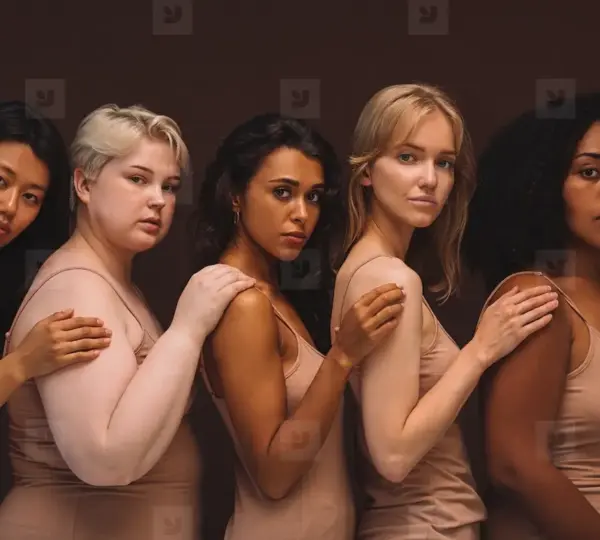
Health Considerations and Balanced Awareness
While growing acceptance of diverse body types is beneficial, rising obesity rates remain a global health concern. The World Health Organization (WHO) reports that obesity has doubled since 1990, driven largely by lifestyle transitions and dietary patterns. The Mayo Clinic stresses that obesity increases the risk of chronic illnesses, including heart disease, diabetes, high blood pressure, liver disease, and certain cancers.
This creates a need for balance: society must foster body positivity while still encouraging healthy habits, physical activity, and nutritional awareness.
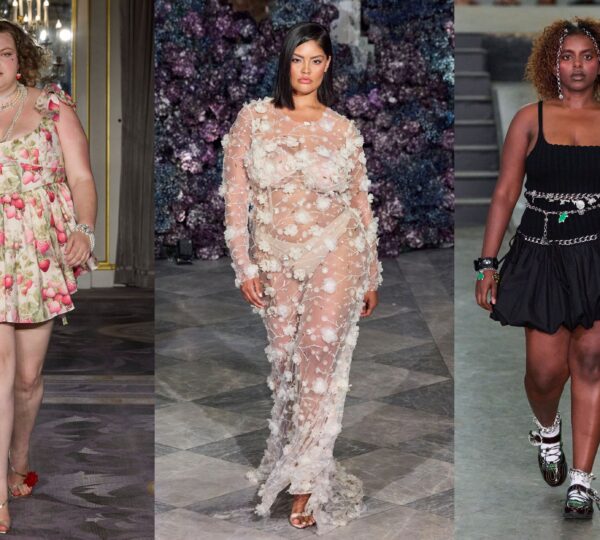
Social Media’s Positive Role in Redefining Beauty
Despite its drawbacks, social media holds immense power to support self-esteem and promote inclusivity. Users now have platforms to challenge harmful portrayals in traditional media and highlight authenticity over perfection. Creators who advocate for body positivity, mental health awareness, and realistic portrayals make it possible for audiences to form more compassionate views of themselves.
When individuals follow accounts that emphasize wellness, diversity, and self-respect, they develop healthier perceptions of beauty. Campaigns focused on embracing natural skin texture, celebrating aging, rejecting heavy photo editing, and showcasing unfiltered bodies all contribute to healthier beauty ideals.
The Future of Beauty Standards
Beauty is continually evolving, and social media is accelerating that evolution. The future points toward broader inclusivity, more realistic representation, and an appreciation for individuality over conformity. By elevating diverse voices and normalizing a wide range of body types, these platforms have the potential to shape a generation that values confidence, authenticity, and emotional well-being just as much as physical appearance.
Ultimately, the new beauty landscape recognizes that American women are thriving in fuller figures—embracing confidence, self-worth, and the power of being beautifully themselves.