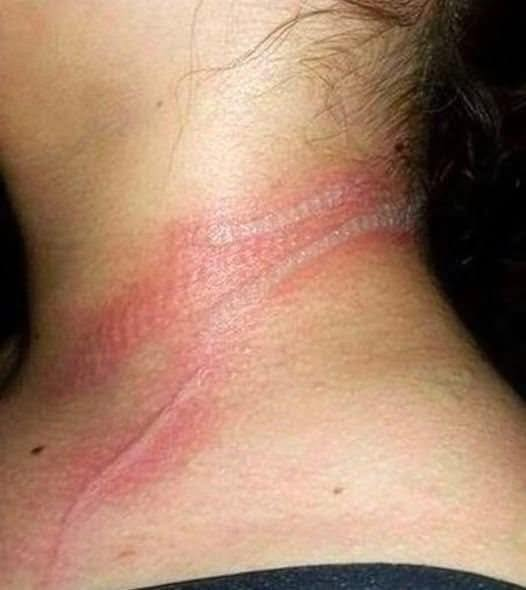
You wake up with a new, raw scrape on your shoulder. A few days later, there’s a small, deep bruise on your shin. You find a tiny cut on your lip, or notice a familiar tenderness in your tongue, as if you bit it in your sleep. The explanations are easy to make: you must have bumped the nightstand, tangled in the sheets, or ground your teeth. But when these minor injuries become a pattern—unexplained, appearing upon waking, often in places you couldn’t easily reach—they cease to be mere accidents. They are, in fact, potential physical evidence of a hidden neurological event: nocturnal seizures.
These aren’t the dramatic, convulsive seizures often portrayed in media. They are frequently subtle, occurring in the deep stages of sleep, leaving behind only cryptic clues on your body and a vague sense of unease.
The Seizure You Don’t Remember: A Rebellion in the Sleeping Brain
During sleep, especially in the transitions between sleep stages, the brain’s electrical activity is in a state of flux. For individuals with epilepsy, these vulnerable moments can allow a sudden, synchronized electrical discharge to erupt from a specific focus in the brain. This is a focal onset aware or impaired awareness seizure happening while you’re unconscious.
Because you are asleep, you have no memory of the event. But your body acts out the brain’s commands. Depending on the seizure’s focus, you might:
- Jerky or rhythmic movements of a limb (an arm flailing, a leg kicking the wall or bedframe).
- Tonic stiffening of muscles (arching your back, clenching a fist).
- Automatic behaviors like lip-smacking, chewing, or fumbling at the bedsheets.
- A generalized convulsion (a tonic-clonic seizure), though this is more likely to be witnessed.
Decoding the Scar Language: Injury as a Symptom
The unexplained marks are forensic evidence of this hidden activity:
- Abrasions & Cuts on Shoulders, Elbows, or Knees: These are classic “impact injuries.” A jerking arm can strike a headboard or nightstand. Stiffening legs can grind against coarse sheets or a partner.
- Bruises on Lateral Thighs or Shins: From repetitive kicking or striking the bedframe.
- A Bitten Tongue or Cheek (Especially on the Sides): One of the most telltale signs. During a seizure, the jaw can clamp down with tremendous, unconscious force. A centrally bitten tongue is less specific, but a lateral bite is highly suggestive.
- Scattered Bedclothes or a Mattress Out of Place: Waking to find you’ve twisted your sheets into a knot or ended up sideways in bed is a sign of significant motor activity during the night.
- Muscle Soreness Upon Waking: A deep, unexplained ache—as if you’d worked out—from prolonged muscle contraction during a seizure.
- A Metallic Taste or Sense of Fear Upon Waking: Some people retain a fragment of the seizure’s “aura”—the warning sensory experience—as they regain consciousness, feeling inexplicably terrified, nauseous, or with a strange taste in their mouth.
The Ripple Effects Beyond the Scars: The Daytime Shadow
The evidence isn’t only physical. Nocturnal seizures, even small ones, are profoundly disruptive to brain architecture. They fracture sleep, preventing the deep, restorative stages. This leads to:
- Crushing daytime fatigue and sleepiness, far out of proportion to time in bed.
- “Brain fog,” poor concentration, and memory lapses.
- Morning headaches.
- Mood changes, like irritability or depression.
You may be treating the symptoms (fatigue with coffee, mood with willpower) without ever knowing the root cause playing out in your bedroom each night.
Your Action Plan: From Clues to Diagnosis
If this pattern sounds hauntingly familiar, it is crucial to take proactive steps.
- Start a “Seizure Diary” for Your Sleep: Don’t just note the scars. Document: the injury’s location, your energy level upon waking, any unusual taste or feeling, your partner’s observations (thrashing, breathing changes, noises), and the state of your bed.
- Secure a Bedside Camera: A simple, motion-activated nanny cam or security camera (with a partner’s consent) can provide invaluable, objective evidence of nighttime movements.
- See a Neurologist, Specifically an Epileptologist: This is the specialist who deals in seizures. Bring your diary and any video evidence. Describe the pattern of injuries and daytime fatigue.
- Prepare for the Gold Standard Test: A Sleep-Deprived EEG and Overnight Video-EEG Monitoring. An Electroencephalogram (EEG) measures brain waves. A routine EEG might miss it, but a sleep-deprived EEG increases the chance of catching abnormal activity. The definitive test is an overnight video-EEG in a hospital, where your brain waves and video are recorded simultaneously for 24+ hours. This can often capture a nocturnal seizure and pinpoint its origin in the brain.
- Partner Interview is Key: Your partner’s observations—a strange stare, unresponsive fumbling, rhythmic twitching you’re unaware of—are often the most critical piece of the diagnostic puzzle.
Those unexplained scars are not just marks of a restless night. They are the silent testimony of a brain navigating a storm while the conscious mind is away. By learning to read this bodily language, you can uncover a hidden neurological condition, leading to an accurate diagnosis and effective treatment (often with medication) that can halt the seizures, heal your sleep, and finally explain the mysteries you’ve been waking up with for years. It is a journey from confusion to clarity, beginning with the evidence written on your own skin.