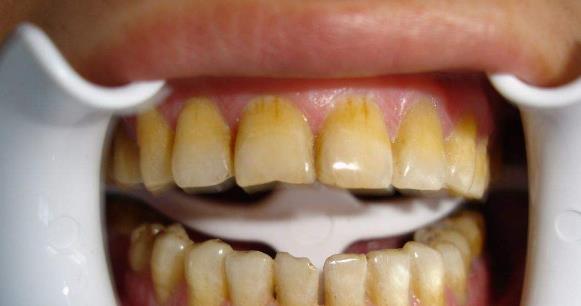
You’re staring in the mirror after a thorough brushing, and there they are: those stubborn, yellowish stains that seem to have set up permanent residence on your teeth, especially near the gums. For years, you’ve blamed the usual suspects—your morning coffee, the occasional glass of red wine, or that black tea you’ve switched to. You’ve tried the whitening toothpastes, the strips, maybe even a professional treatment, but those particular stains seem to laugh in the face of your efforts.
What if you’re fighting the wrong battle? What if the real culprit isn’t what’s on your teeth, but what’s in them? Those yellow stains aren’t just from coffee; they’re often a billboard for what’s happening beneath the surface of your enamel.
The Great Tooth Anatomy Lesson: It’s What’s Inside That Counts
To understand the mystery, we need to think of a tooth not as a solid, white brick, but as a layered structure.
- Enamel: This is the outer shell. It’s the hardest substance in the human body, and it’s naturally semi-translucent or glass-like. Think of it as a frosted glass lampshade.
- Dentin: This is the layer that lies directly beneath the enamel. Dentin is naturally yellow. It’s the bulb inside the lampshade.
The color of your teeth is a combination of the color of your dentin shining through the translucent enamel, and any external stains stuck to the enamel itself. As we age, the plot thickens.
The Aging Plot Twist: The Great Enamel Thinning
Here’s the central drama of midlife and beyond for our teeth: our enamel doesn’t last forever. A lifetime of chewing, crunching, and yes, even brushing a little too hard, slowly wears it down. It’s a natural process called enamel erosion.
As that protective, translucent layer of enamel gets thinner, the naturally yellow dentin underneath shows through more vividly. It’s like the frost on that glass lampshade is slowly wearing off, making the yellow bulb inside more and more obvious. This is why teeth almost universally darken and appear more yellow with age, even if you’ve been a dental saint. No amount of surface whitening can change the inherent color of your dentin.
But What About Those Specific Yellow Stains? Meet the Intrinsic Stain
This is where the story gets really interesting. While overall yellowing can be from thinning enamel, specific, localized yellow or brownish stains often point to something called an intrinsic stain. This means the stain isn’t sitting on top of the enamel—it’s coming from within the tooth itself.
The most common cause of these stains is what’s happening in the tiny, hidden tunnels inside your teeth: the dentinal tubules.
Over decades, the things we consume don’t just stain the surface. Certain molecules—most notably tannins from tea, coffee, and red wine—are small enough to seep through the microscopic pores of our enamel. They travel into the dense layer of dentin beneath and get trapped there. You can’t brush these stains away because they’re locked inside the tooth. It’s like dye seeping into the wood of an antique table, rather than just spilling on the varnish.
The Other Hidden Culprits You’d Never Suspect
Beyond the slow migration of tannins, several other behind-the-scenes actors can be yellowing your smile:
- The Ghost of Cavities Past (and Present): If you have an old silver amalgam filling, it can cast a grayish or dark shadow through the tooth over time. More urgently, decay underneath a filling or in a crack in the tooth can appear as a yellow or brown stain. This isn’t a simple cosmetic issue; it’s a dental health alert.
- The Thinning Enalem Accelerator: Acid is the great enemy of enamel. It softens and dissolves it, speeding up the thinning process. This acid doesn’t just come from soda. It comes from wine, citrus fruits and juices, sports drinks, and even the stomach acid from acid reflux or GERD, which becomes more common as we age.
- The Medication Side-Effect: Certain medications taken over a long period can lead to intrinsic staining. Tetracycline antibiotics, if taken in childhood, are famous for this, but some blood pressure medications and antihistamines can also contribute to dry mouth, which reduces protective saliva and makes teeth more vulnerable to both decay and staining.
- Trauma: A tooth that has been injured, even decades ago, can sometimes darken as the nerve inside dies, much like a bruise.
So, What’s a Person to Do? Fighting the Yellow from the Inside Out
The standard, surface-level whitening kits are often useless against these deep-seated stains. They work on surface discoloration but can’t penetrate to change the color of your dentin or evict trapped tannins. In fact, they can sometimes make things worse by temporarily dehydrating the teeth and increasing sensitivity in already thinning enamel.
Your strategy needs to be smarter:
- First and Foremost, See Your Dentist. This is the most important step. They can tell you if your yellow stains are simply intrinsic and age-related, or if they’re a sign of decay, leaking fillings, or dead nerves that need treatment. Health before aesthetics, always.
- Consider Professional Internal Whitening. For a healthy tooth that has darkened from within (especially after a root canal), dentists can perform a procedure called “internal bleaching” that lightens the tooth from the inside.
- Veneers or Crowns as the Ultimate Solution. For severe intrinsic staining that doesn’t respond to whitening, porcelain veneers or crowns can be placed over the teeth, creating a brand-new, perfectly white surface. This is a more involved and expensive option, but it’s the most effective way to completely mask the underlying color.
- Prevent Further Damage. Use a soft-bristled toothbrush to prevent abrasive wear. Rinse your mouth with water after consuming acidic foods or drinks (wait 30 minutes before brushing to avoid brushing softened enamel). And talk to your dentist about fluoride treatments or prescription toothpaste to help re-harden and protect your remaining enamel.
The next time you see that yellow in the mirror, don’t just see a cosmetic flaw. See a history. See a lifetime of meals shared, conversations had, and challenges overcome. Your teeth have been with you for every single one of those moments. By understanding the real reasons behind their color, you can move beyond generic, often ineffective solutions and make informed, intelligent choices about how to care for the smile that has served you so well for so long.