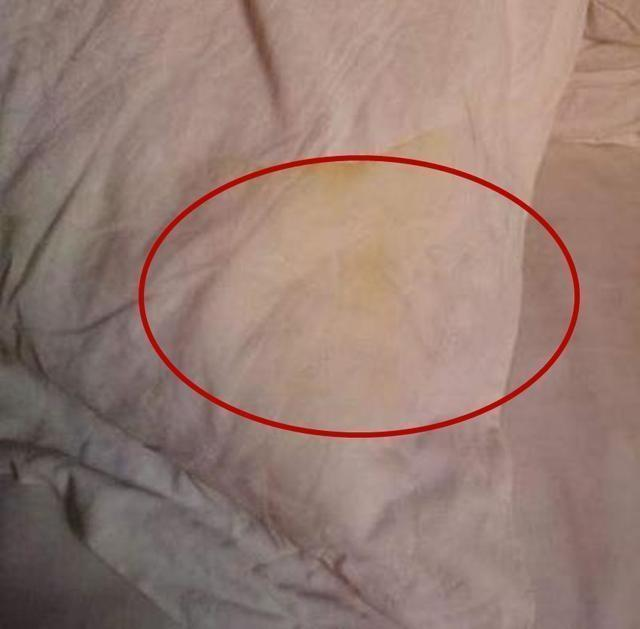
You make your bed in the morning, and the evidence is there, woven into the fabric. Not stains you can see, but a story told through sensation. You wake up with your sheets tangled around you like a straitjacket, damp with sweat that feels different—colder, stickier. The cotton that used to feel soft now feels abrasive, as if your skin has become a raw nerve. The pillowcase is creased deeply into your cheek, and a lingering, unexplained itch follows you out of bed.
These aren’t just signs of a restless night or a warm room. For some, the intimate interface between body and bed linen becomes a daily report card from an internal war. Your bed sheets, in fact, can hold subtle but significant clues to an undiagnosed autoimmune disease—a condition where the body’s immune system mistakenly attacks its own tissues.
The Sweat That Speaks: Night Sweats Beyond Menopause
While night sweats are classicly linked to menopause or infection, in an autoimmune context, they are different. This is the sweat of inflammatory fever. Diseases like Lupus (SLE), Rheumatoid Arthritis (RA), and Sjögren’s syndrome can cause low-grade fevers as the immune system activates, often peaking at night. The sweat is your body’s attempt to cool a simmering inflammation you might not feel during the day’s distractions. Waking up repeatedly drenched, with sheets needing to be changed, is a signal worth tracking.
The Sensory Overload: When Sheets Feel Like Sandpaper
This is a profound and often overlooked clue. If your high-thread-count cotton suddenly feels unpleasantly rough, itchy, or even painful against your skin, it may point to a condition called allodynia—where a normally non-painful stimulus (like soft fabric) is perceived as painful. This is a common neurological symptom of fibromyalgia, which often coexists with autoimmune disorders, and can also occur in diseases like Lupus. It indicates that the nervous system itself is in a heightened state of alarm, a common feature of systemic autoimmunity.
The Morning Stiffness Imprint: The “Rheumatoid Haze”
For someone with undiagnosed Rheumatoid Arthritis or Ankylosing Spondylitis, the bed is not a place of rest, but a rigid cocoon. Inflammation builds in the joints during inactivity. Waking up with profound stiffness—so severe that untangling the sheets or getting out of bed is a slow, painful process—is a hallmark sign. This isn’t normal “creakiness;” it’s a “gel-like” stiffness that may last for an hour or more. The way you move (or cannot move) within those sheets is a direct reflection of inflammatory activity in your joints.
The Dryness and the Itch: More Than Just Winter Skin
If you wake with a mouth so dry you feel like you’ve swallowed cotton, eyes that feel gritty, and skin that itches relentlessly—all exacerbated by a night of breathing through your mouth—this points directly to Sjögren’s syndrome. This autoimmune disease attacks moisture-producing glands. The parched feeling isn’t just in the air; it’s in your body. Your sheets may show tiny flecks of dry skin, and you might find yourself reaching for lip balm and eye drops before you even get out of bed.
The Tangle of Fatigue: More Than Just Being Tired
Autoimmune fatigue is not simple sleepiness. It’s a profound, bone-deep exhaustion that sleep does not fix—a phenomenon patients call “non-restorative sleep.” You might sleep 10 hours yet wake up feeling as if you haven’t slept at all, with the sheets feeling impossibly heavy. This is the fatigue of chronic inflammation, a constant drain on your system as your body fights itself.
How to Become a Detective of Your Own Nights
If these patterns feel familiar, don’t dismiss them. Start observing with intention:
- Keep a “Bedside Log” for Two Weeks. Note:
- Sweat: Wake up damp or drenched?
- Sensation: Do sheets feel uncomfortable, itchy, or painful?
- Stiffness: Rate your morning stiffness on a scale of 1-10. How long does it take to ease?
- Dryness: Mouth, eyes, skin.
- Fatigue: Do you wake feeling refreshed or utterly drained?
- Examine Your Sheets and PJs Literally. Look for unusual sweat patterns, small blood spots (from scratching itchy skin), or an unusual amount of skin flaking.
- Schedule a Doctor’s Appointment and Bring Your Log. This concrete data is more powerful than saying “I’m tired.” Say: “I’ve been tracking my sleep symptoms, and I wake up daily with drenching sweats, severe stiffness, and a feeling that my sheets hurt my skin. I am concerned about possible systemic inflammation.”
- Prepare for Specific Tests. Based on your symptoms, a rheumatologist may order:
- Inflammatory Markers: ESR (Sed Rate) and C-Reactive Protein (CRP).
- Autoimmune Antibodies: ANA (Antinuclear Antibody), RF (Rheumatoid Factor), Anti-CCP.
- Specific Antibodies for diseases like Lupus (anti-dsDNA, Smith) or Sjögren’s (SS-A, SS-B).
Your bed should be a sanctuary. When it becomes a place of discomfort, sweat, stiffness, and unrest, it is acting as a diagnostic interface. The sheets hold the thermal, tactile, and temporal evidence of a body under internal attack. By learning to read this nightly testimony, you can provide your doctor with the clues needed to connect the dots, potentially leading to a diagnosis and a treatment plan that finally allows you to find true, restorative rest.