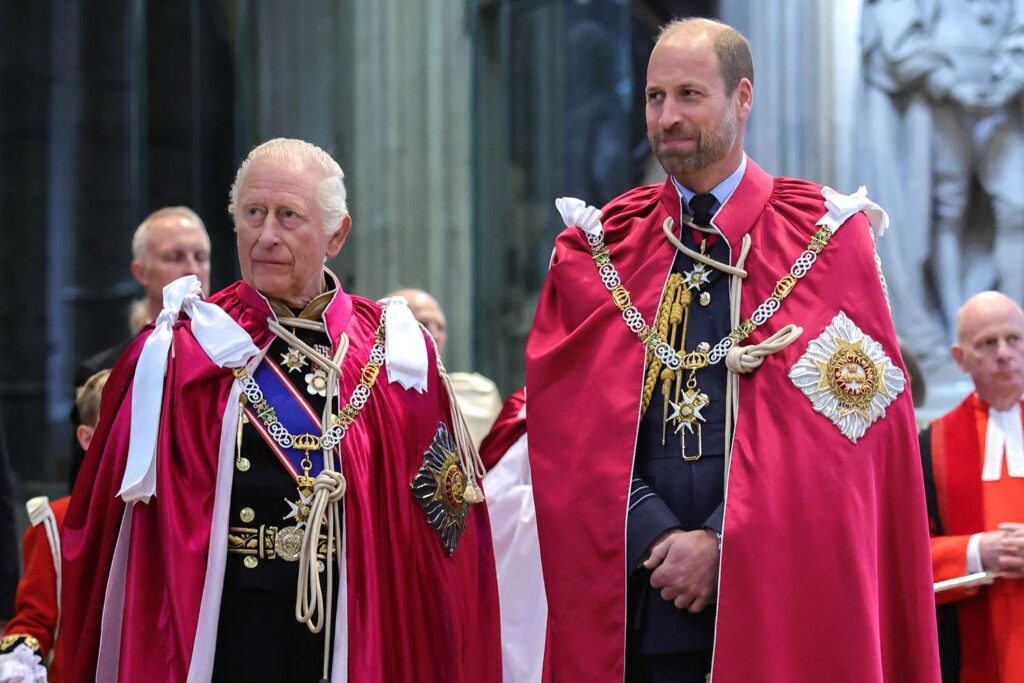
To the public, King Charles and Prince William present a united front. As the King navigates his ongoing health battles, the Prince of Wales has seamlessly stepped up, deploying his massive “soft power” to keep the British monarchy steady.
But behind closed doors, things aren’t always so serene.
Royal insiders have revealed that the relationship between the monarch and his heir is far more complex than a simple father-son dynamic. In fact, raw, unfiltered arguments between the two have occasionally “echoed through the thickest palace walls,” leaving staff within earshot.
But this isn’t just mindless family drama. The root of their tension reveals a fascinating, lesser-known clash between two completely different eras of royal duty.
The Clash of Modern Philosophy: The “Ivory Debate”
While the tabloids love to focus on personal grudges, royal experts like Rebecca English point out that their most intense arguments are deeply professional. A prime, little-known example of this friction involves the Royal Collection’s priceless ivory treasures.
[ The Ivory Paradox ]
King Charles (The Historian) ──> Preserve the items as vital historical artifacts.
VS.
Prince William (The Modernist) ──> Destroy them completely to take a stand against poaching.
William’s Stance: As a passionate advocate for wildlife conservation, William reportedly argued that the Palace should lead by example and burn the historic ivory collection to send a global message against the modern illegal wildlife trade.
Charles’s Stance: As a traditionalist, Charles views the pieces not as a political statement, but as irreplaceable historical artifacts that belong to the crown’s heritage, regardless of modern ethics.
This ideological divide resulted in a famously “frank” exchange of words that palace walls couldn’t hide.
The Corporate Boundary: Scheduling a Call with Dad
Perhaps the most surprising detail of their modern relationship is how they communicate. According to a royal aide speaking to the Standard, William almost never phones his father directly.
Instead, if the Prince needs to speak to the King, he must officially schedule a call or meeting through the King’s Private Office.
While this sounds cold to an outsider, court observers note it is a symptom of the rigid, corporate-like machinery of “The Firm.” When a father and son are also the CEO and the future CEO of a multi-billion-dollar state institution, personal boundaries often get swallowed by official protocol.
The Changing of the Guard
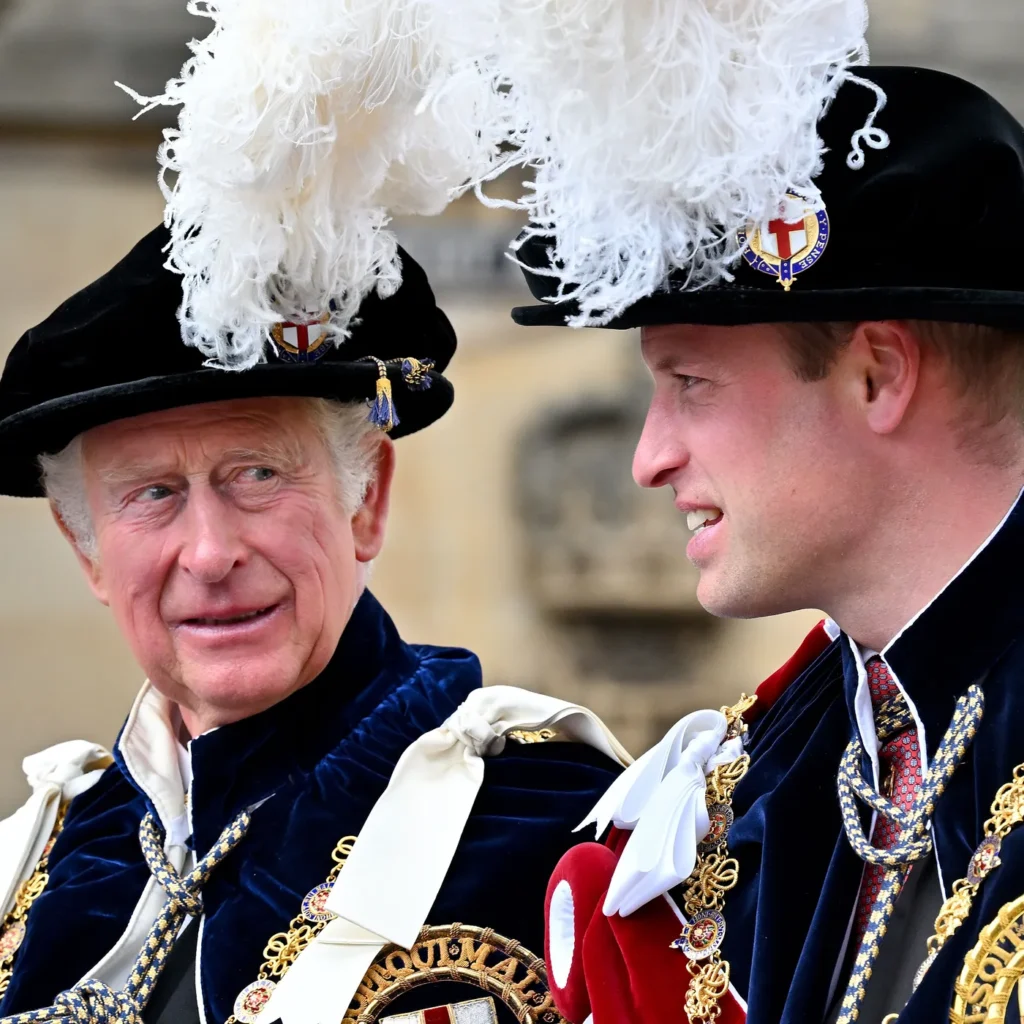
Despite past arguments, insiders emphasize that these shouting matches have quieted down in recent times. The stark reality of the King’s illness has brought the weight of the crown closer to William than ever before.
Commentators note that William is now “absolutely prepared” for what comes next. Alongside the Princess of Wales, who has carefully returned to public life following her own health battles, the couple has mastered a high-wire act of diplomacy—visiting politically sensitive regions like the Middle East and Ukraine without ever crossing the line into overt politics.
The Verdict on Palace Friction
Loud arguments behind palace walls might shock the public, but in a constitutional monarchy, they are a sign of life. They prove that the transition of power isn’t just a passive inheritance; it is a fierce, active negotiation between a King protecting history and a Prince trying to secure the future.
Do you think Prince William’s modern, aggressive approach to changing royal traditions is what the monarchy needs right now? Let us know your thoughts in the comments!