The Enchantment of Tree Faces: Discovering Pareidolia and Nature’s Secret Portraits
What Is Pareidolia—and Why Do We See Faces in Trees?
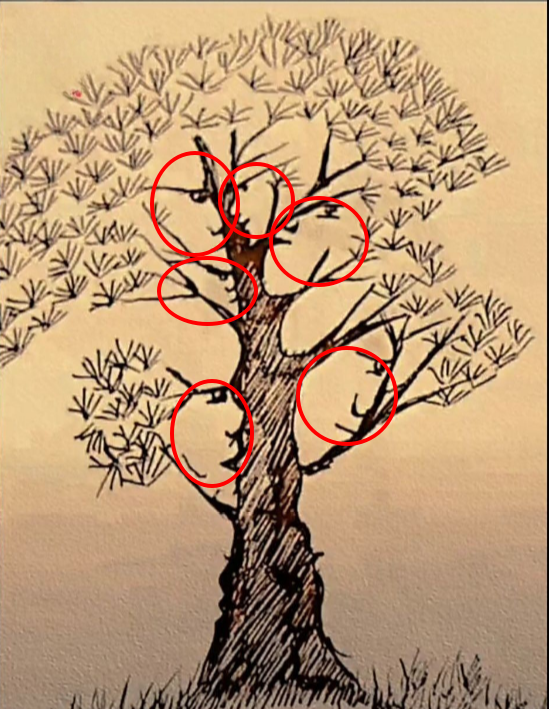
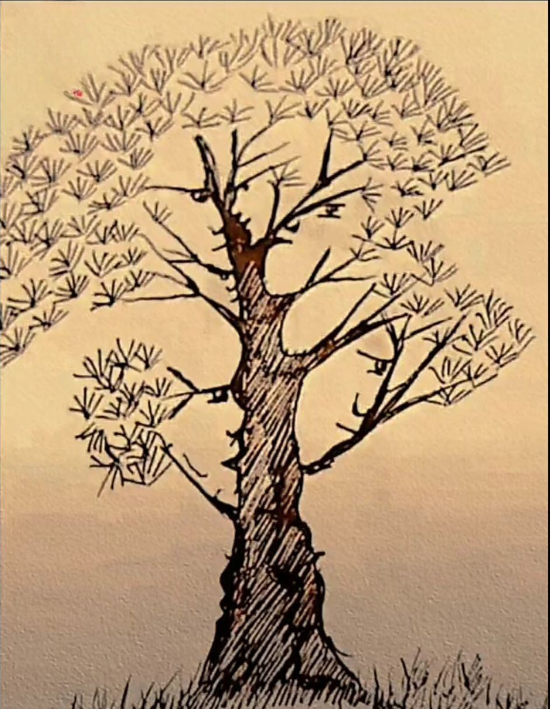
Have you ever paused in front of a twisted tree trunk and suddenly spotted a human-like profile peeking through the bark? That delightful moment is thanks to pareidolia—our brain’s tendency to identify familiar shapes (especially faces) in random patterns. Whether it’s the grain of aged wood or drifting clouds overhead, pareidolia turns simple scenes into magical discoveries. In the illustrated pine tree scene above, fine needles and curling branches subtly form a concealed face. Here, we’ll explore the science behind this phenomenon, the art of finding hidden faces in nature, and even how to create your own pareidolia-inspired artwork.
The Brain Behind the Illusion: How We Recognize Faces Everywhere
Human evolution honed our ability to recognize faces instantly—a crucial trait for identifying allies, loved ones, and potential threats. This rapid recognition originates from the fusiform face area, a specialized part of the temporal lobe. The side effect of having such a powerful facial-recognition system is that we sometimes detect faces where none were intended—from tree knots to power outlets.
That exhilarating moment when a face suddenly appears within bark isn’t random; it’s your neural circuits firing and rewarding you with a burst of dopamine. In other words, pareidolia isn’t a mistake—it’s a reflection of how deeply social and perceptive the human mind truly is.
How to Spot Hidden Faces in Nature: A Guide for Curious Observers
Want to sharpen your ability to find nature’s secret portraits? Here are some helpful tricks for your next stroll through the woods:
• Take Your Time: Don’t rush past tree trunks—pause and let your eyes wander across ridges, knots, roots, and branches.
• Change Your Viewpoint: Tilt your head, step back, or squat down. A slight shift can reveal faces you didn’t notice before.
• Watch the Light: Early and late sunlight casts dramatic shadows that enhance contours and highlight subtle features.
• Use Negative Space: Gaps between branches often outline silhouettes of eyes, noses, or foreheads.
• Reference Basic Shapes: A swirling knot can become an eye, while a curved branch may suggest a jawline.
Once you start practicing, the forest becomes an open-air gallery filled with hidden personalities waiting to be found.
Artistic Imagination: How Pareidolia Inspires Creative Minds
For generations, artists have leaned into pareidolia to craft whimsical pieces where imagination and nature seamlessly merge. Here are ways you can use this phenomenon for your own art:
• Sketch on the Spot: Bring a small notebook during nature walks. When you spot a face, quickly outline the shapes you notice.
• Lean Into Abstraction: Emphasize the branches, knots, or shadows that resemble facial features, letting your drawing evolve naturally.
• Blend Colors and Texture: Incorporate watercolor or ink washes to highlight the hidden face, blending earthy browns, natural greens, or faint flesh tones.
• Mix Digital and Traditional Media: Start with ink lines, then deepen the illusion with digital shading or soft gradients.
Turning accidental faces into intentional art celebrates both the wonder of nature and the depth of human creativity.
A Mini Gallery of Famous Pareidolia-Inspired Artworks
Some creators have elevated hidden images into iconic works:
• Giuseppe Arcimboldo: The Renaissance master who arranged fruits, vegetables, and plants into imaginative human portraits.
• Salvador Dalí: The surrealist giant whose paintings often contain dual images—faces appearing within landscapes or animals emerging from shadows.
• Michael Cheval: A modern artist who fills dreamlike structures with cleverly concealed faces in tiles, windows, and architectural details.
These works show how pareidolia can evolve from subtle natural illusions to complex artistic masterpieces.
Create Your Own Pareidolia Experience: A Simple Workshop Idea
Interested in sharing this fascination with others? Try this engaging workshop plan:
Nature Exploration: Begin with a short walk where participants photograph or sketch any tree faces they encounter.
Group Sketching: Back indoors, display reference images and demonstrate how to isolate facial outlines within tree shapes.
Character Building: Invite participants to imagine who their “tree face” belongs to—a wise old guardian, a mischievous sprite, or an ancient forest watcher.
Mixed-Media Magic: Provide watercolor sets, colored pencils, and pens for layering texture and color.
Showcase & Celebrate: Display the finished pieces and award fun mini prizes for creativity or realism.
This activity builds artistic confidence and deepens appreciation for the hidden beauty in everyday scenes.
Finding Joy in Hidden Tree Faces: A New Way to See Nature
Pareidolia encourages us to look closer and find wonder in what we often overlook. That pine in your yard might resemble a thoughtful old spirit. A street-side tree may hide a cheerful grin beneath peeling bark. By paying attention to these subtle details, ordinary walks become little adventures filled with surprise and playfulness.
Noticing these hidden faces also nurtures mindfulness—slowing you down, sharpening your senses, and helping you reconnect with the world around you. Through pareidolia, even the simplest tree can become a storyteller, whispering secrets through its patterns and textures.
.
.
.
.
.
Answer: